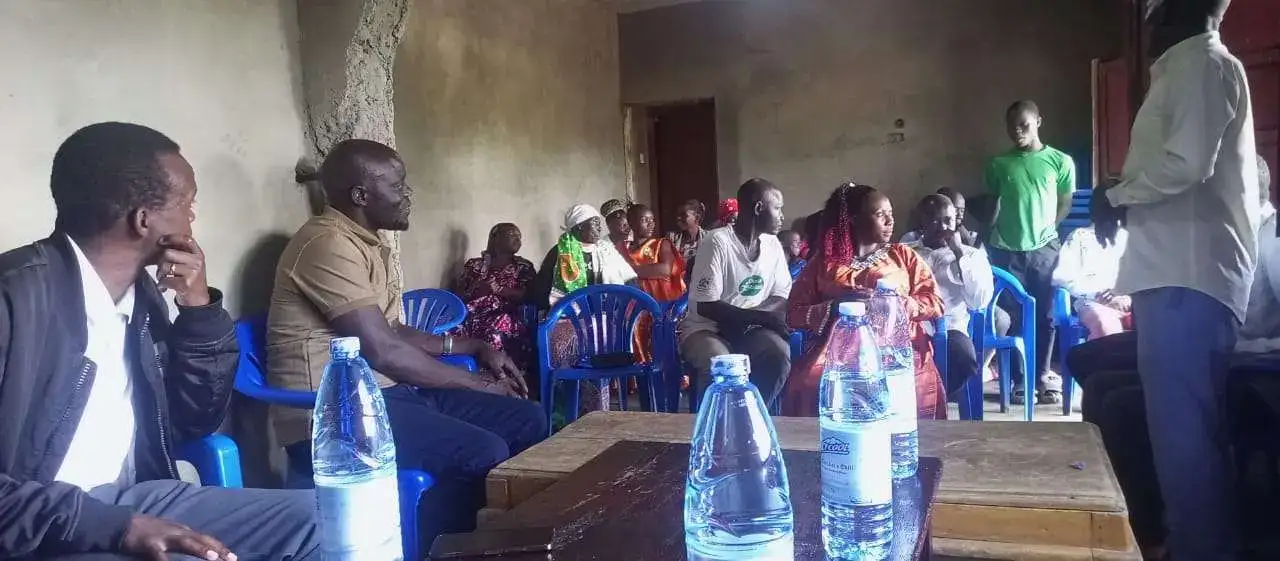
“How much money can you sell a pig for after 8 months? What is the cost of feed during that time?” one of our Kenyan trainers asked a participant during our business follow-up in Uganda. The answer was shocking—this woman, along with her family, had been running a piggery for years, unaware they were incurring major losses.
She had never calculated the true cost of production. But with a single coaching conversation, her perspective changed. She sold the pigs and started making French fries instead. Today, she earns 50,000 Ugandan shillings (about €12) in profit every single day. What seems like a small switch, is a life-changing transformation for her family: the children are now in school, there’s food on the table, savings are possible, and they’re building a modest home.
You don’t know what you don’t know. That’s why coaching is vital. Our approach goes beyond simply training people —it’s about opening eyes, equipping people with clarity, and walking alongside them into tangible change.
The follow-up to the Pioneer Business Planting (PBP) program in South East Uganda has revealed how much of a difference the right training and mentorship can make. Before the training, most participants had never created a family budget, structured a business plan, or explored the Business Model Canvas. They were running businesses based on guesswork, habit, and hope—often without realizing their operations were draining rather than growing their income.
But thanks to the PBP training and ongoing coaching, that has changed dramatically.
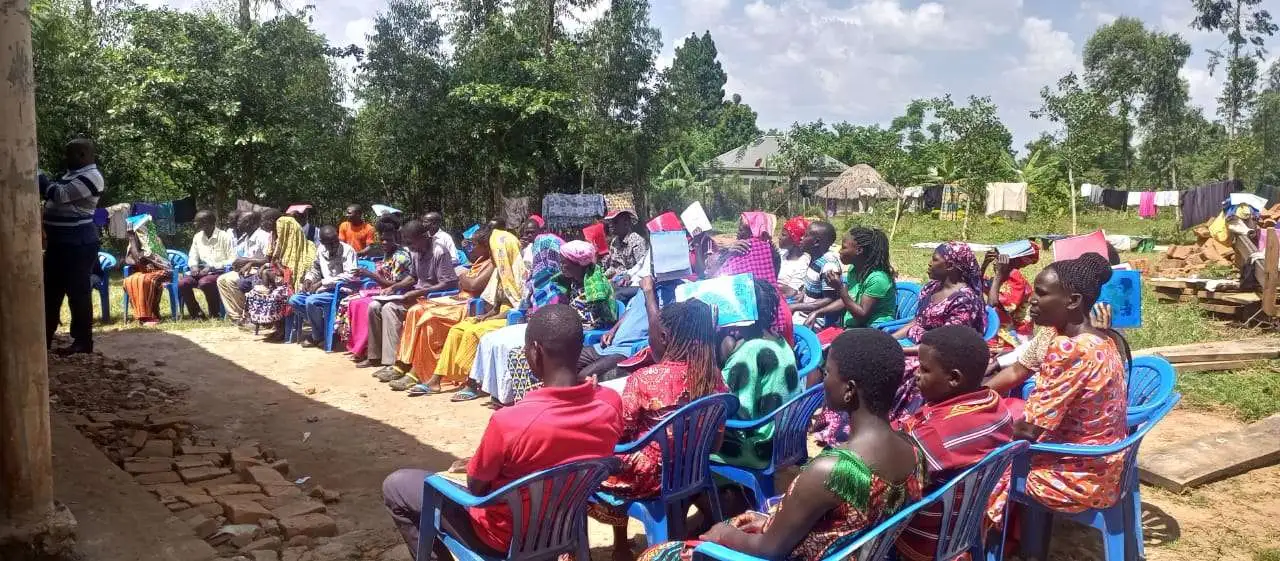
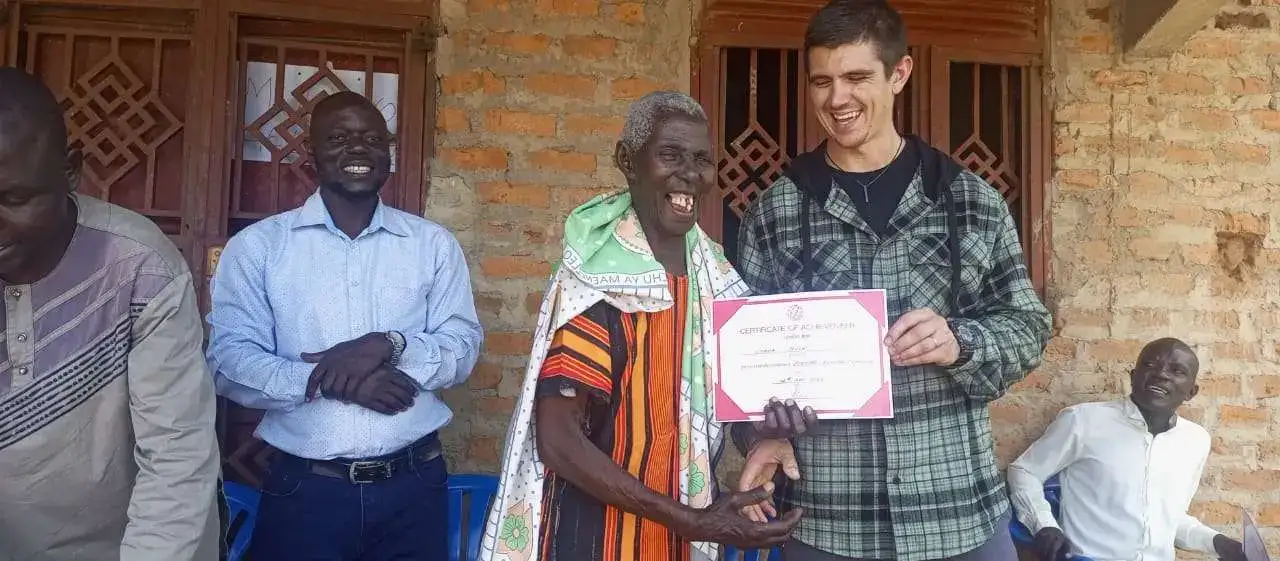
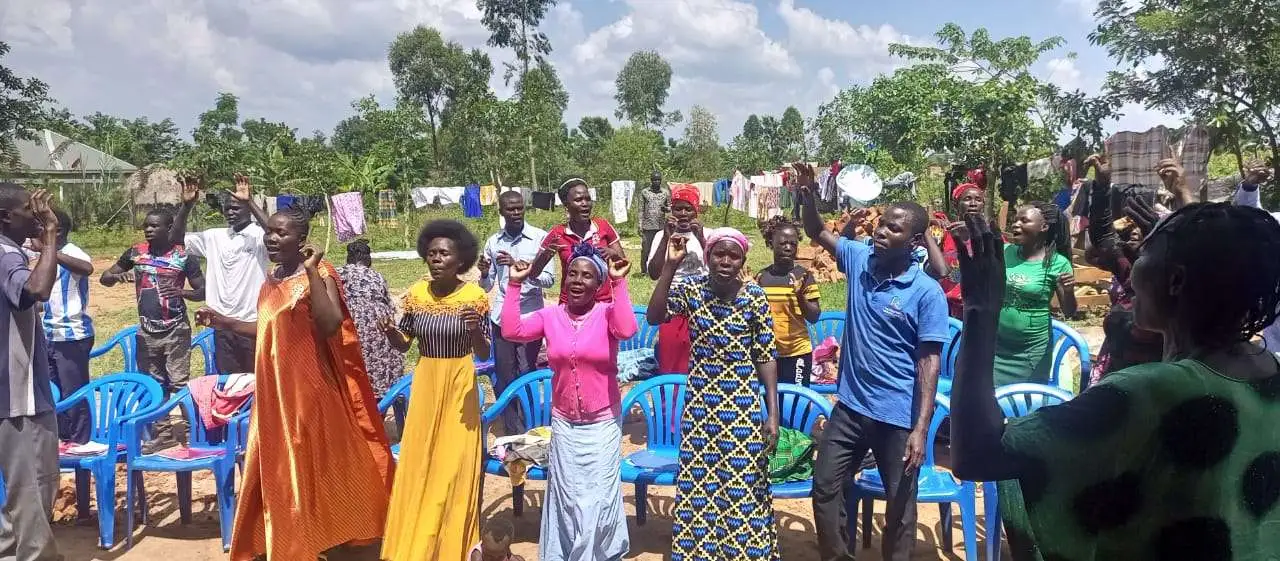
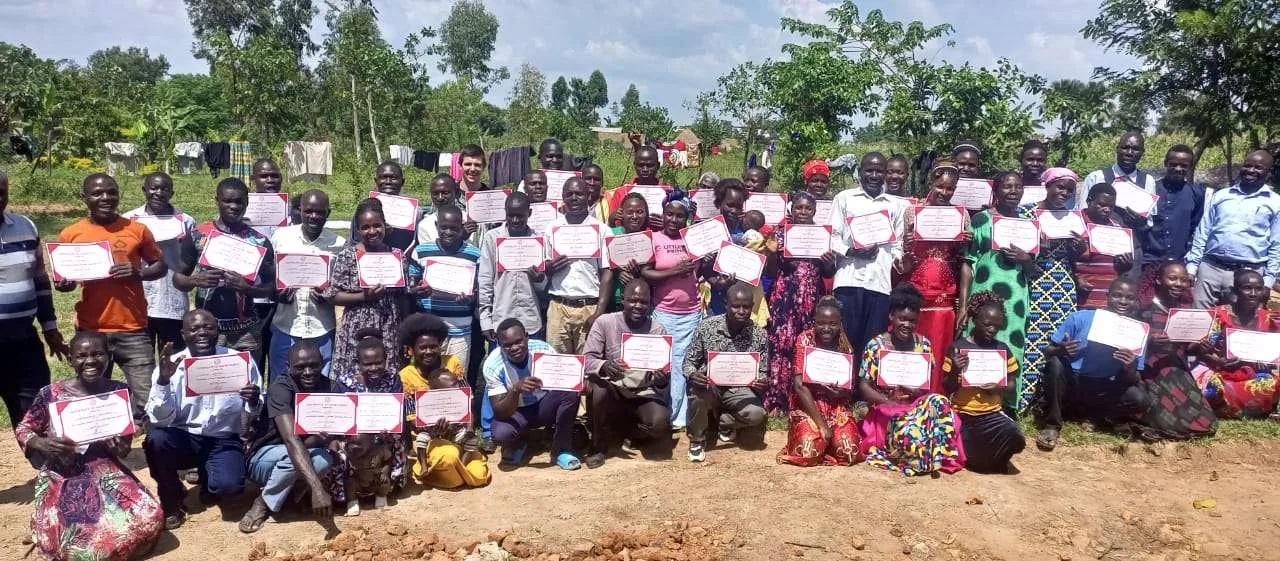
We reconnected with 44 out of the 49 original participants, across 20 villages in four districts—Rugiri, Busia, Muwayo, and Namaingo. The team found widespread adoption of key business tools, especially the Business Model Canvas and family budgeting. This wasn’t just knowledge for the shelf—it was actively shaping lives and livelihoods.
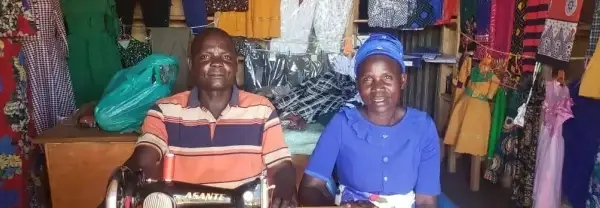
In total, 116 businesses have either been started, grown, or are being prepared for launch since the training. These range from farming and market stalls to service-based microbusinesses.
One standout example is the participants’ unified proposal to launch a central truck business to transport building materials across three districts. This venture, projected to have a 90% success rate, would not only be profitable but also serve as a sustainable funding model for the Faith Fund, providing loans to group members and creating a safety net against defaults.
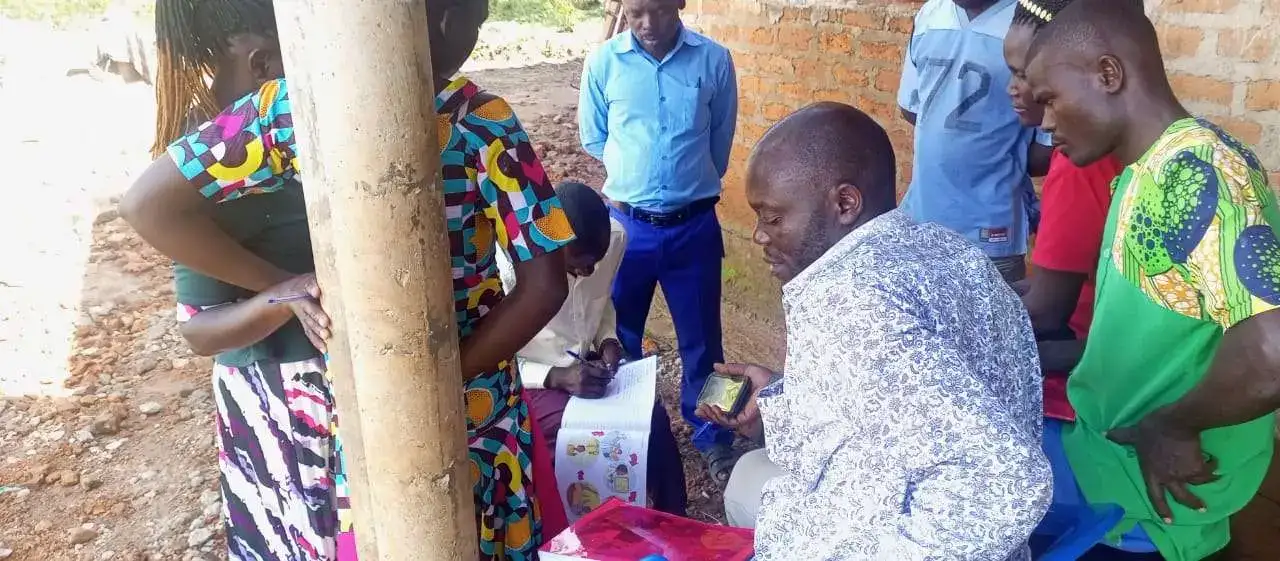
In another follow up visit, our teams worked on cash flow management, bookkeeping and business planning. Every participant received a bookkeeping book where they could do their daily, weekly and monthly bookkeeping.
Highlights from the Follow-up Trip
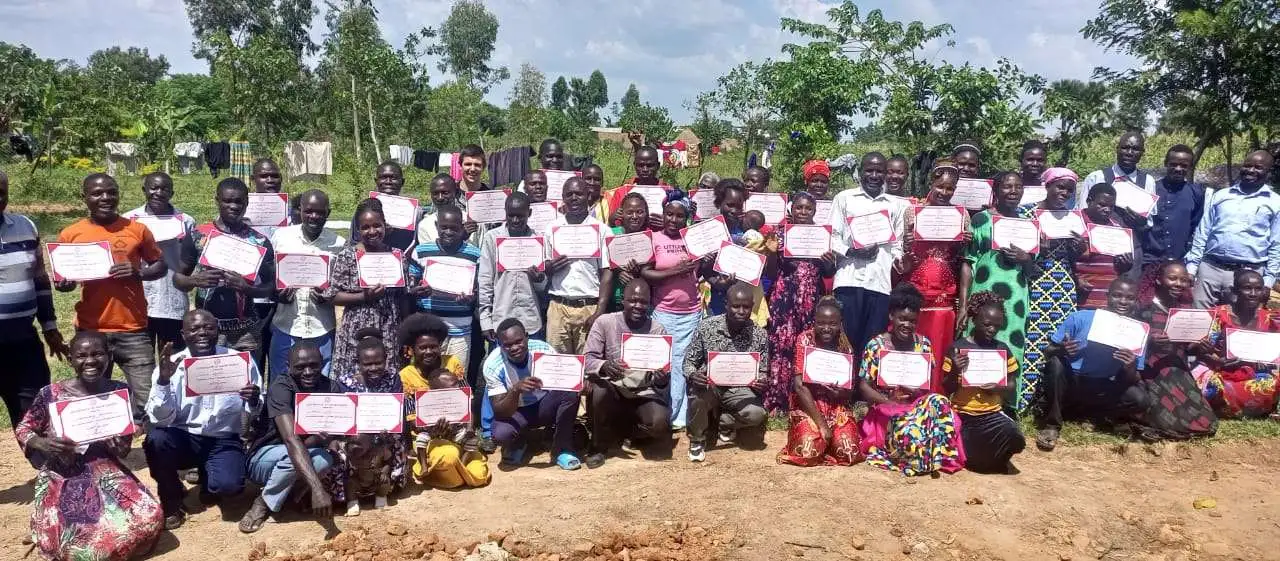
- 44 out of 49 participants were successfully engaged in follow-up activities.
- 116 businesses started, grown, or planned.
- Most participants were able to present a Business Model Canvas (BMC) and demonstrate a family budget.
- 20 villages were visited, and the impact of the training was evident in various forms of business activity and farming.
- Participants have made tangible progress in business ventures and farming, demonstrating the effectiveness of the training.
- The creation of a central truck business, proposed by the participants, will help generate income and support the Faith Fund program.
- Ugandan leaders have expressed a desire to get more involved in future PBP trainings.
Way Forward
The next phase in Uganda will focus on multiplication—identifying new leaders, equipping them to teach, and spreading this model across more communities. What began as training is evolving into a movement of transformation, powered by local ownership, practical tools, and life-changing insight.