Guiding the Movement
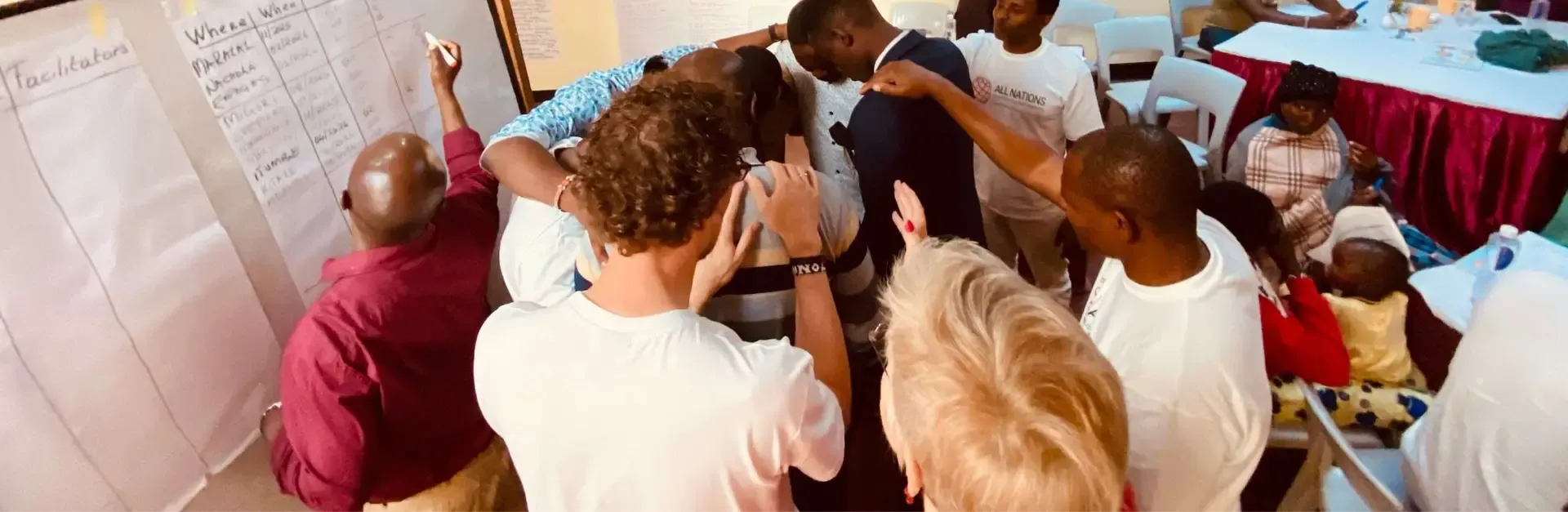
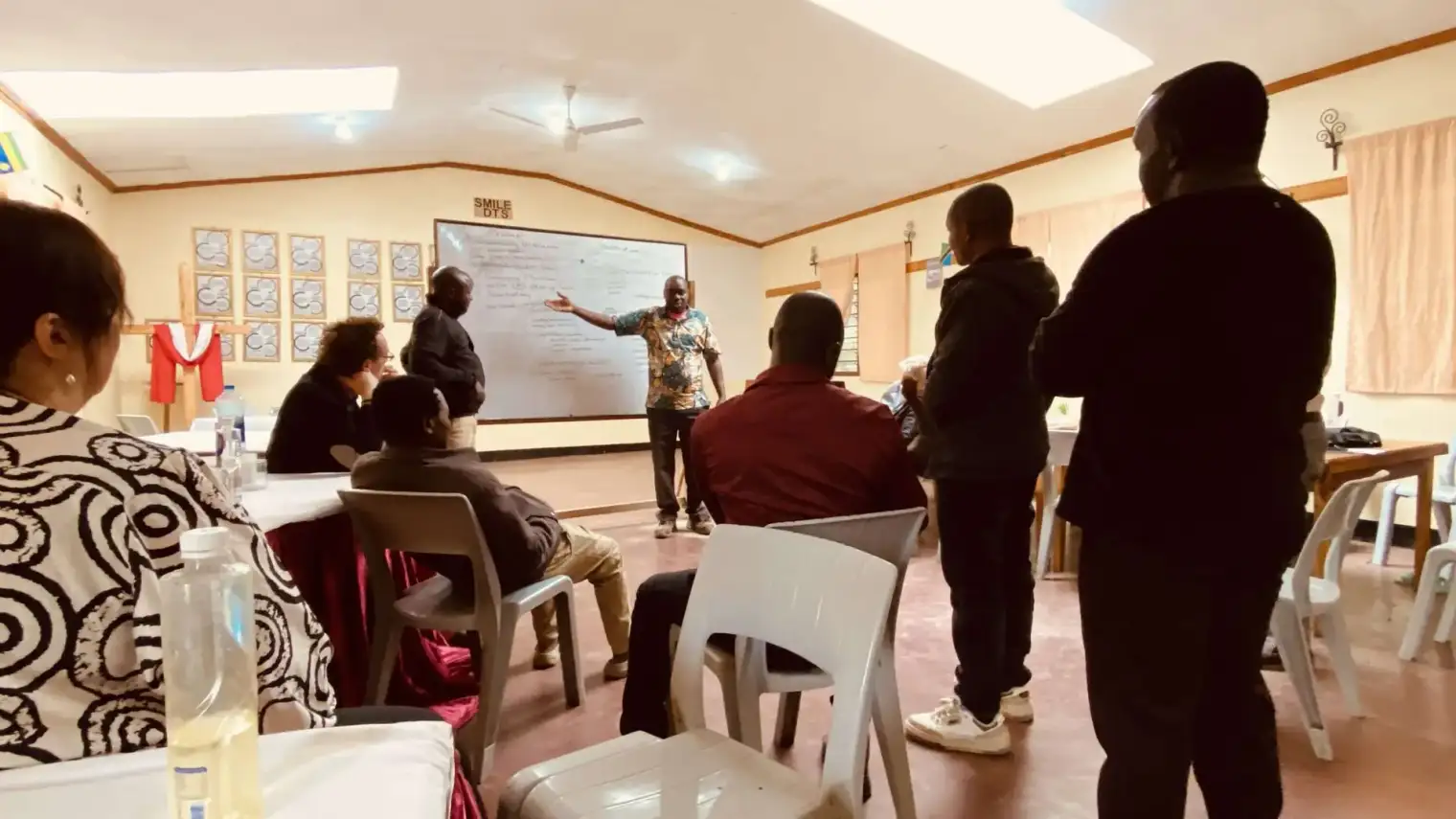
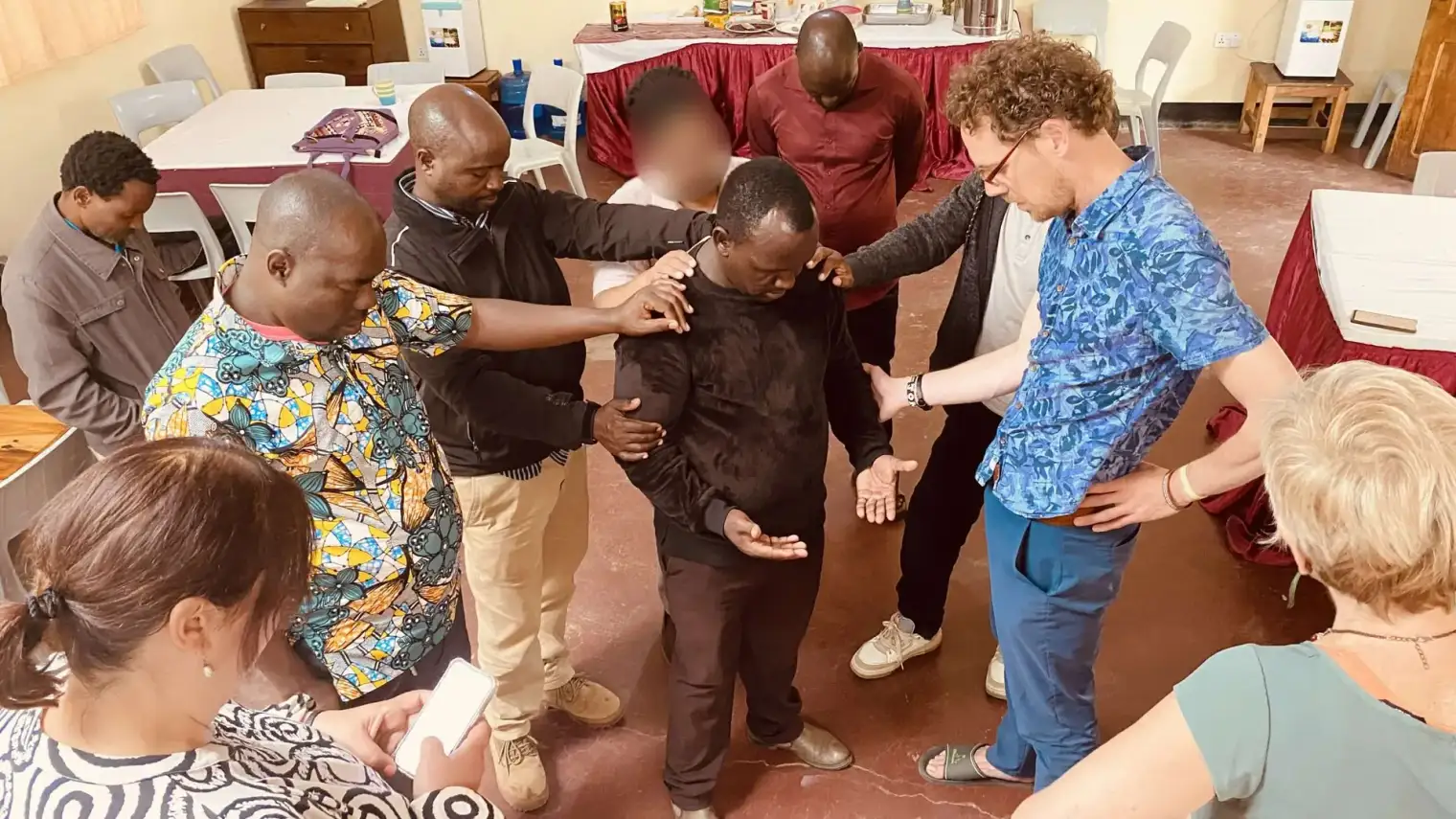
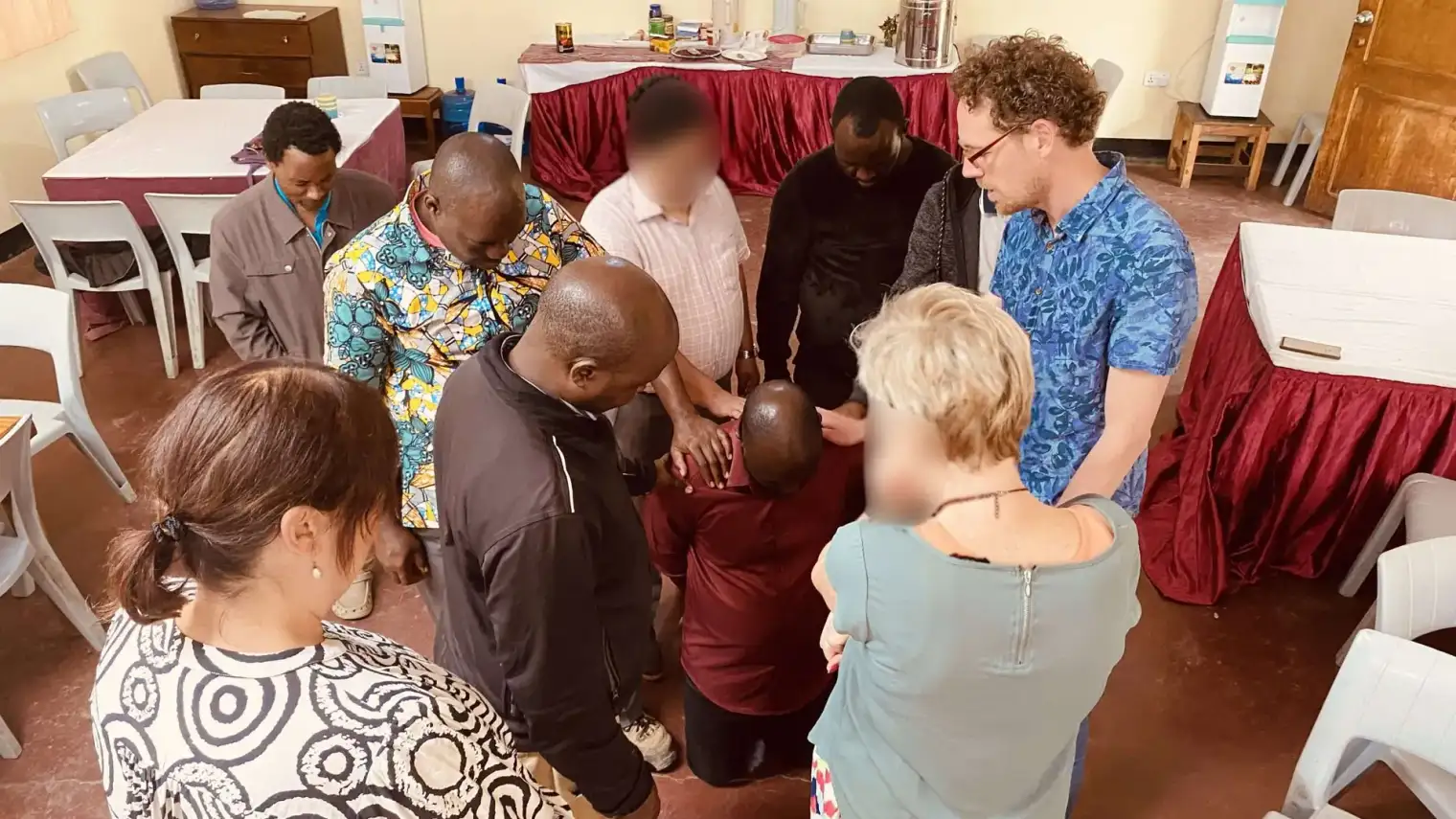
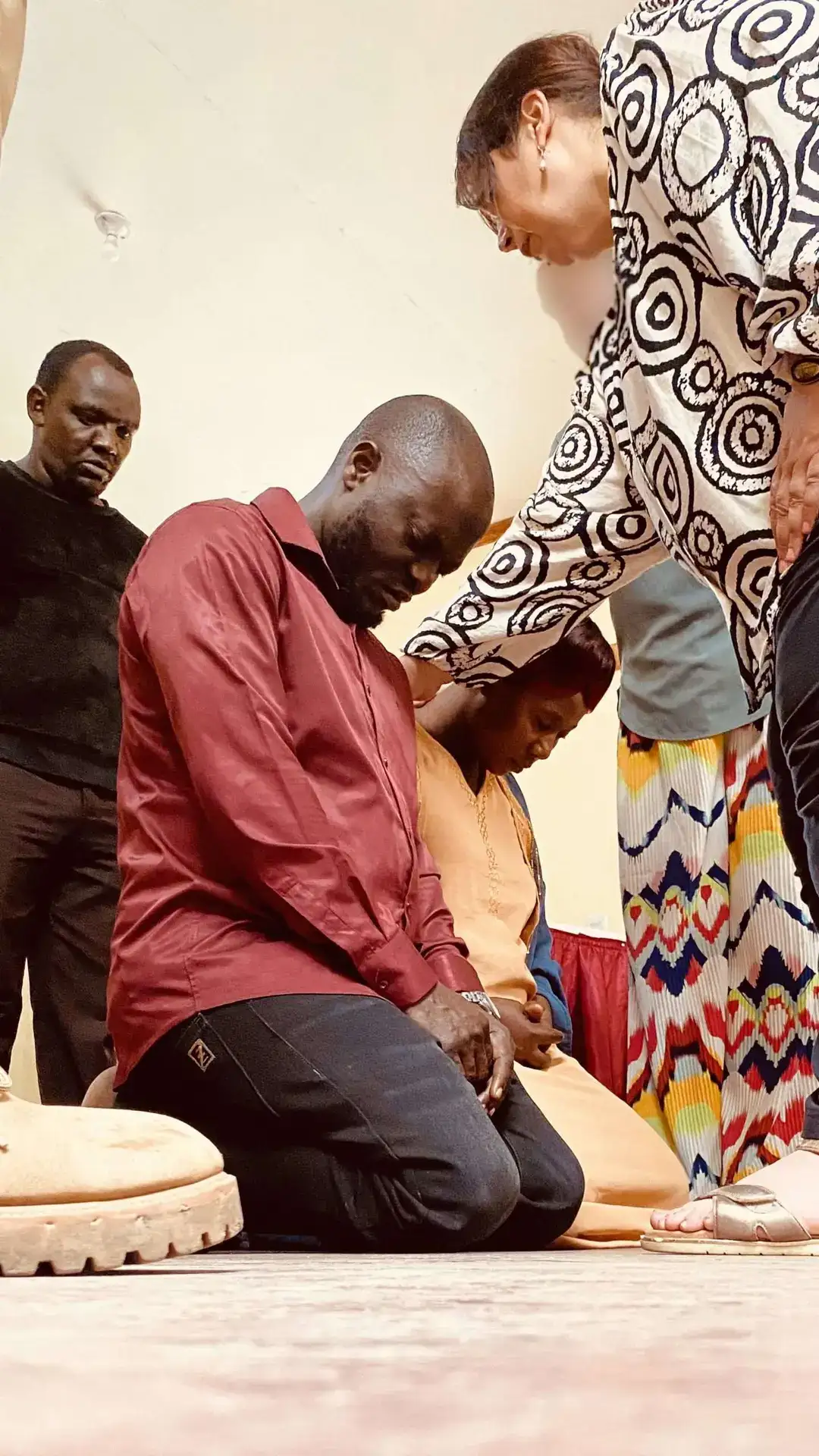
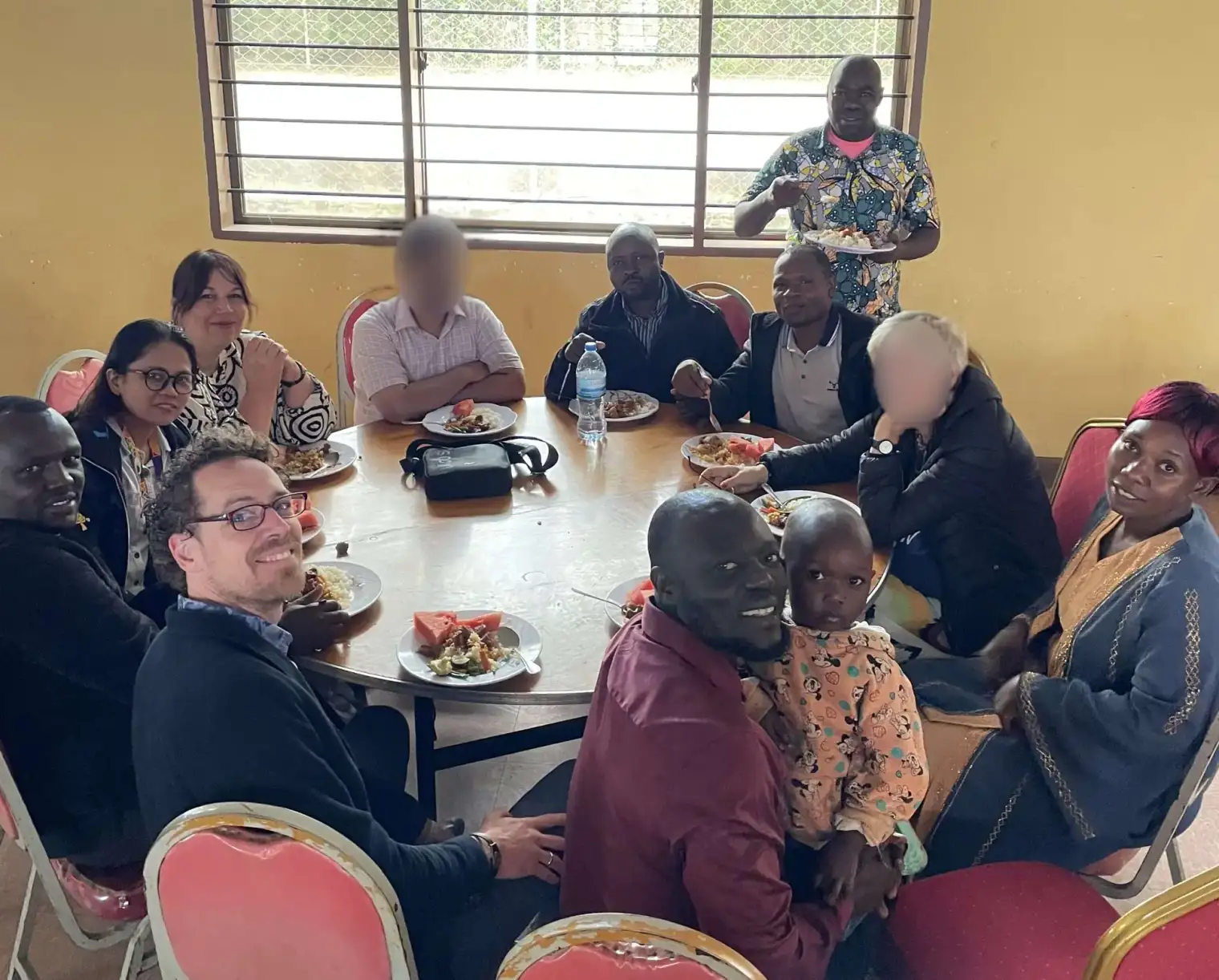
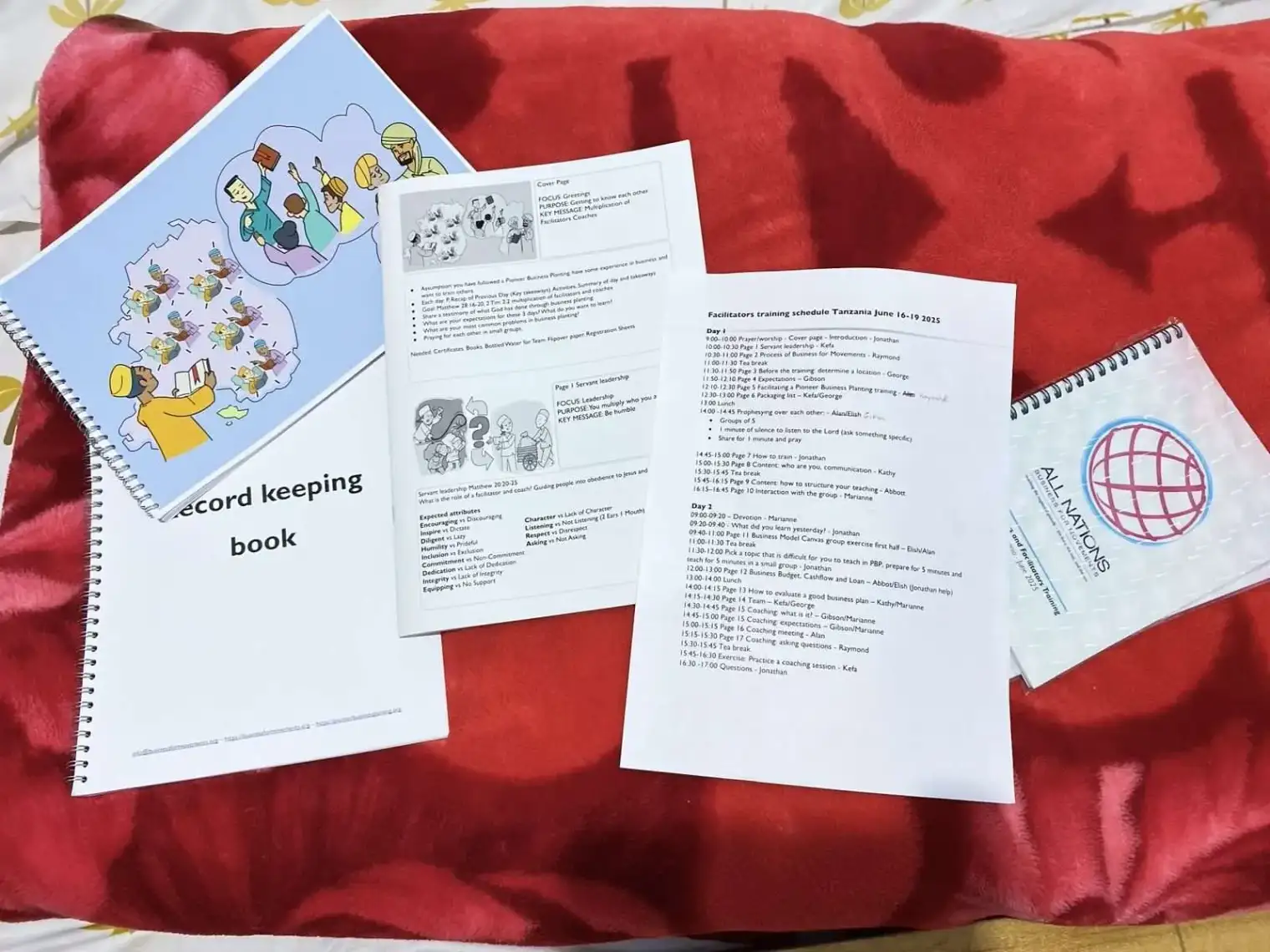
Immediately after the Facilitators Training in Arusha, Tanzania, our national leaders from Kenya, Uganda, Malawi, Mozambique, India, and Tanzania stayed for a 3-day strategic leadership gathering. What took place was a time of vision, honesty, deep prayer, and big dreams.
We shared our stories. One of us had grown up without parents, encountering Jesus in a quiet gathering years ago. Another had been abused by his father, but found healing and now raises his children with tenderness and strength. Some of us were discipled through hardship, others through radical hospitality.
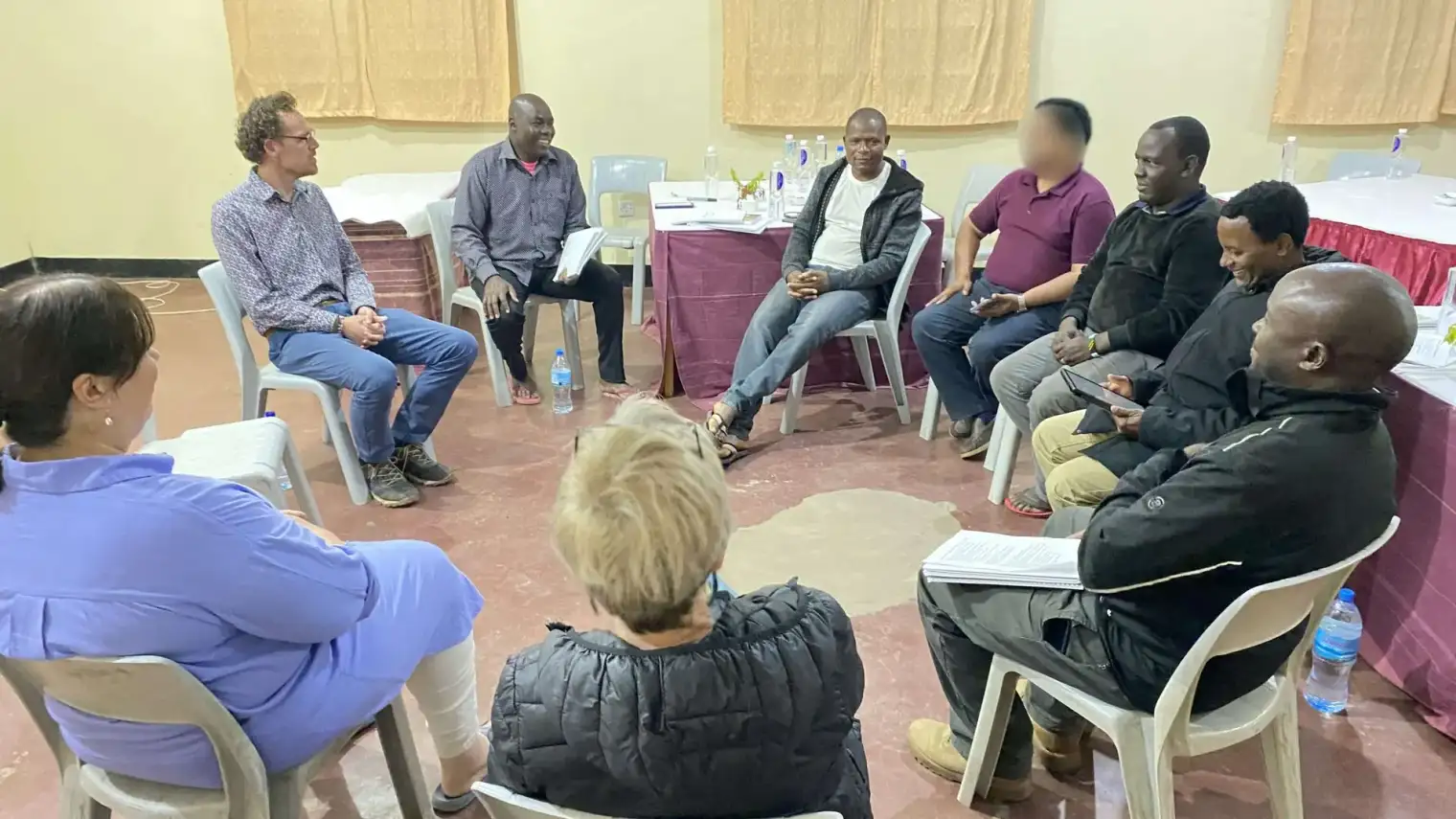
Pulling Down Strongholds
We didn’t just make plans—we named our battles.
Together, we identified spiritual strongholds that have quietly choked the movement in our regions:
- Eastern Africa: Witchcraft, women’s discrimination, normalized poverty, insecurity
- Southern Africa: Jealousy, control, self-doubt, ancestral worship
- South Asia: Corruption, shame, dependency mindsets
We opened the Scriptures:
“The weapons of our warfare are not carnal but mighty in God for pulling down strongholds.” (2 Corinthians 10:4)
We came from communities marked by spiritual and economic challenges—syncretism, fear, fatalism, corruption, shame.
One of our brothers said it simply:
“We can’t lead with control. We must lead with love.”
We laid down jealousy. We repented of competition. We saw a picture in prayer: a sunflower, always turning toward the light. That’s who we want to be—always turning toward Jesus.
Each morning began with thanksgiving:
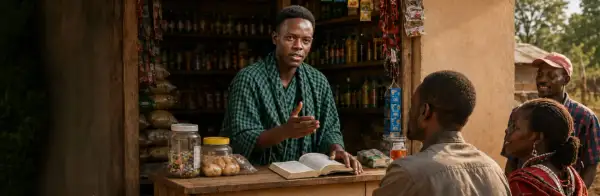
- In Tanzania, 99 businesses have been started since the last training
- In Uganda, a growing network of table banking groups led to 30 new businesses
- In Malawi, donut sellers, cereal shop owners, and loan returners are building local trust
- In Mozambique, cake bakers and banana farmers are beginning to dream again
- In Pakistan, a man repented on thinking that business was evil, he now runs a successful online food business
Then the hard questions came:
How do we sustain this? How do we grow without losing our DNA? What do we do when people expect loans but don’t get them?
Discussions ranged from real estate ideas to guesthouse investments to online businesses. Leaders began drafting viable business models and revenue plans. But again, repentance emerged. Many leaders confessed struggles with fear, shame around money, and a sense of disqualification.
“We thought we were disqualified because we have nothing,” one leader said. “But today, I realized—we are the solution. The seed is already in our hands.”
From these reflections, tangible steps were taken:
- Savings Group + FaithFund models were refined for better access and accountability
- The “WeCare” app was introduced to manage savings, social funds, and loans
- The Multiply Ubuntu App was integrated for follow-up coaching and mobile learning
- National leaders drafted concrete business and multiplication plans for 2025–2026
- Strategic focus areas were defined: youth, women, refugees, technology, and team building
Kefa from Kenya shared,
“We trained 20 people in Mallalal. Within a week, they were training others. That’s how we grow—not by adding, but by multiplying.”
And then came a celebration: a team dinner, songs of joy, and the announcement that one of our key team members, was baptized. This, too, is a fruit of discipleship through business planting.
A Movement Taking Root
In Arusha, what started as a training became a move of the Spirit. Businesses were birthed, churches planted, lies exposed, and futures rewritten. The seeds sown in June are already taking root in villages, towns, and nations across Africa and Asia.
It unleashes potential.
It heals mindsets.
It multiplies leaders.
It fuels the mission.
And it’s only just beginning.
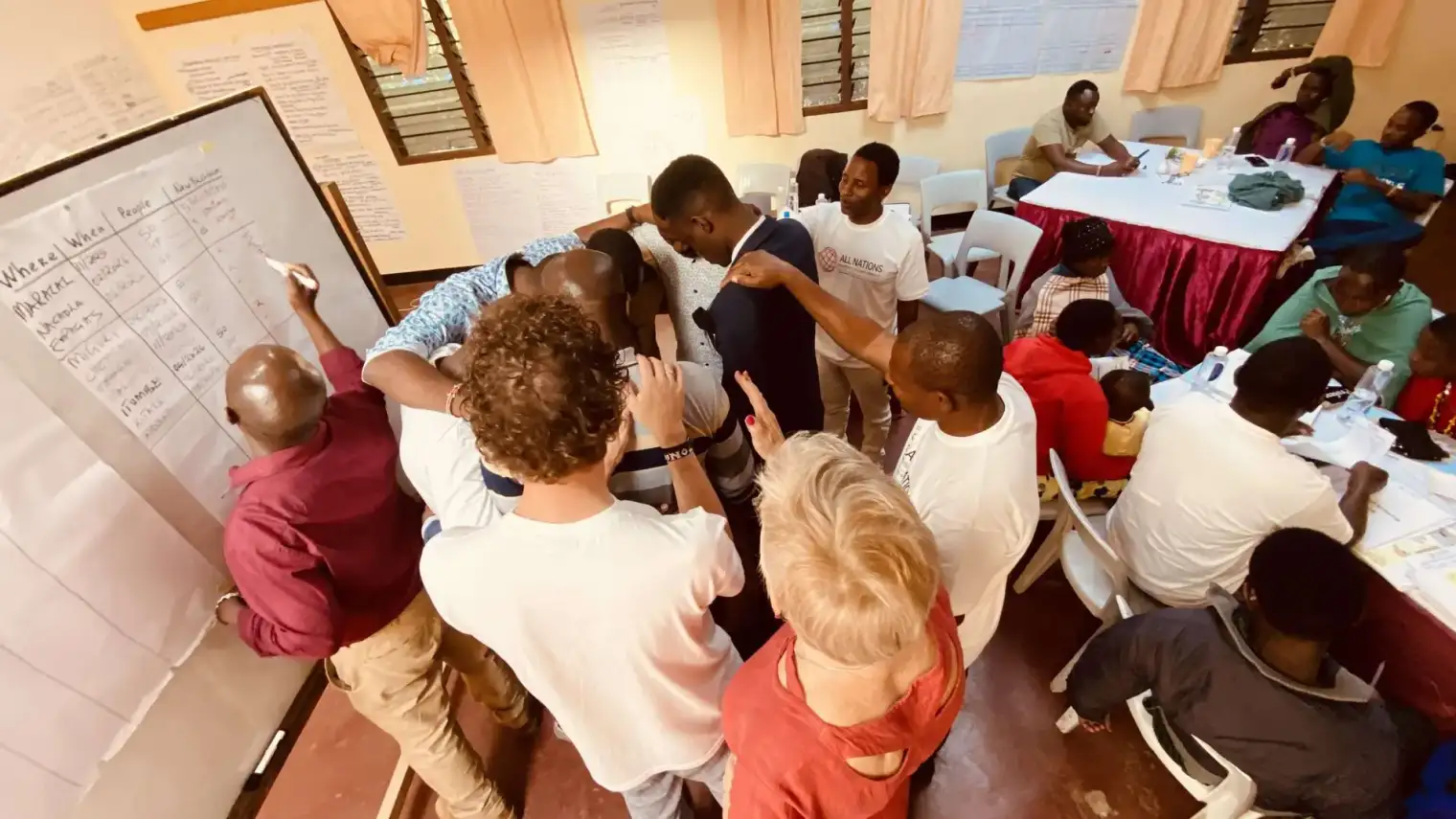
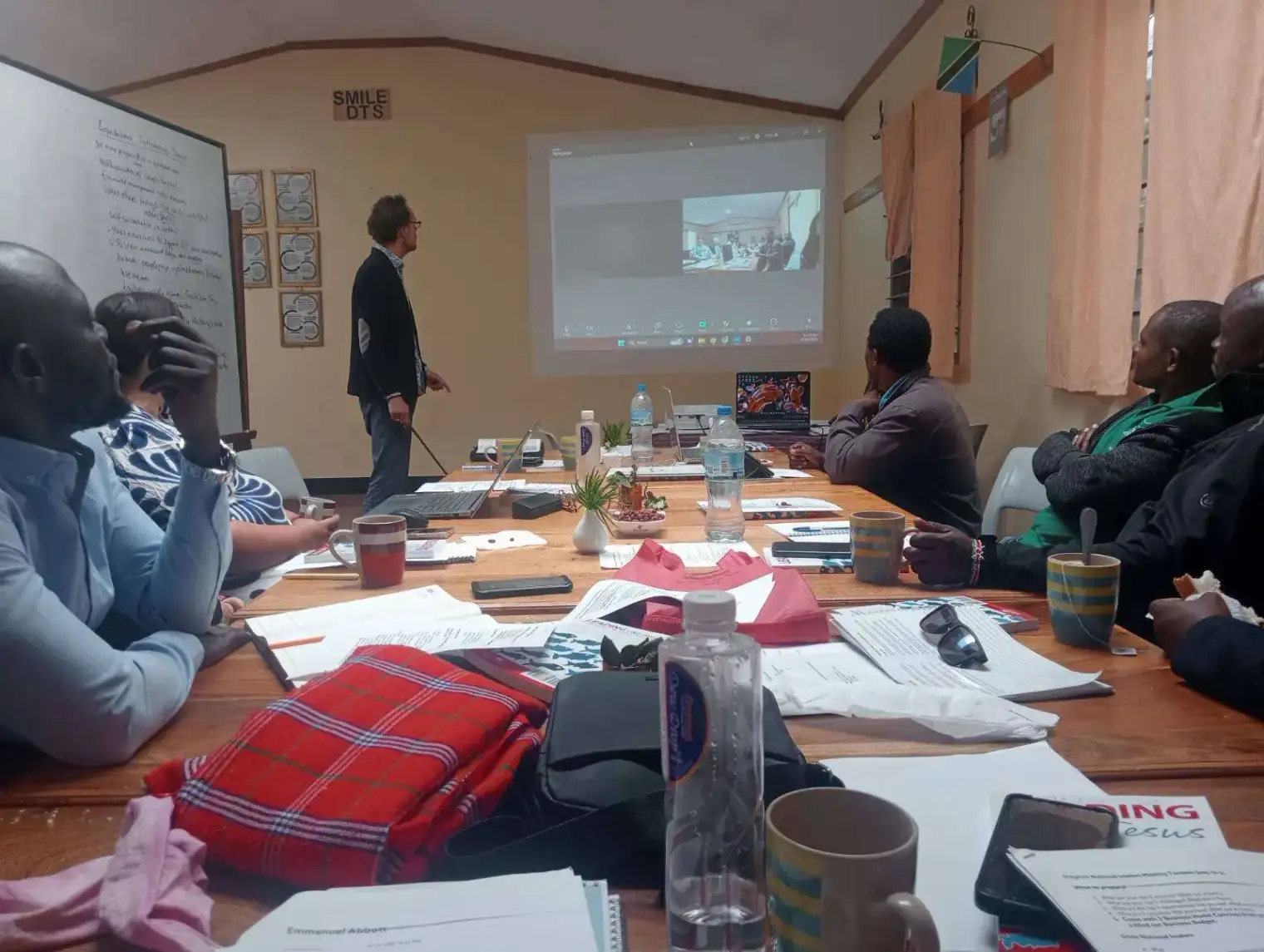
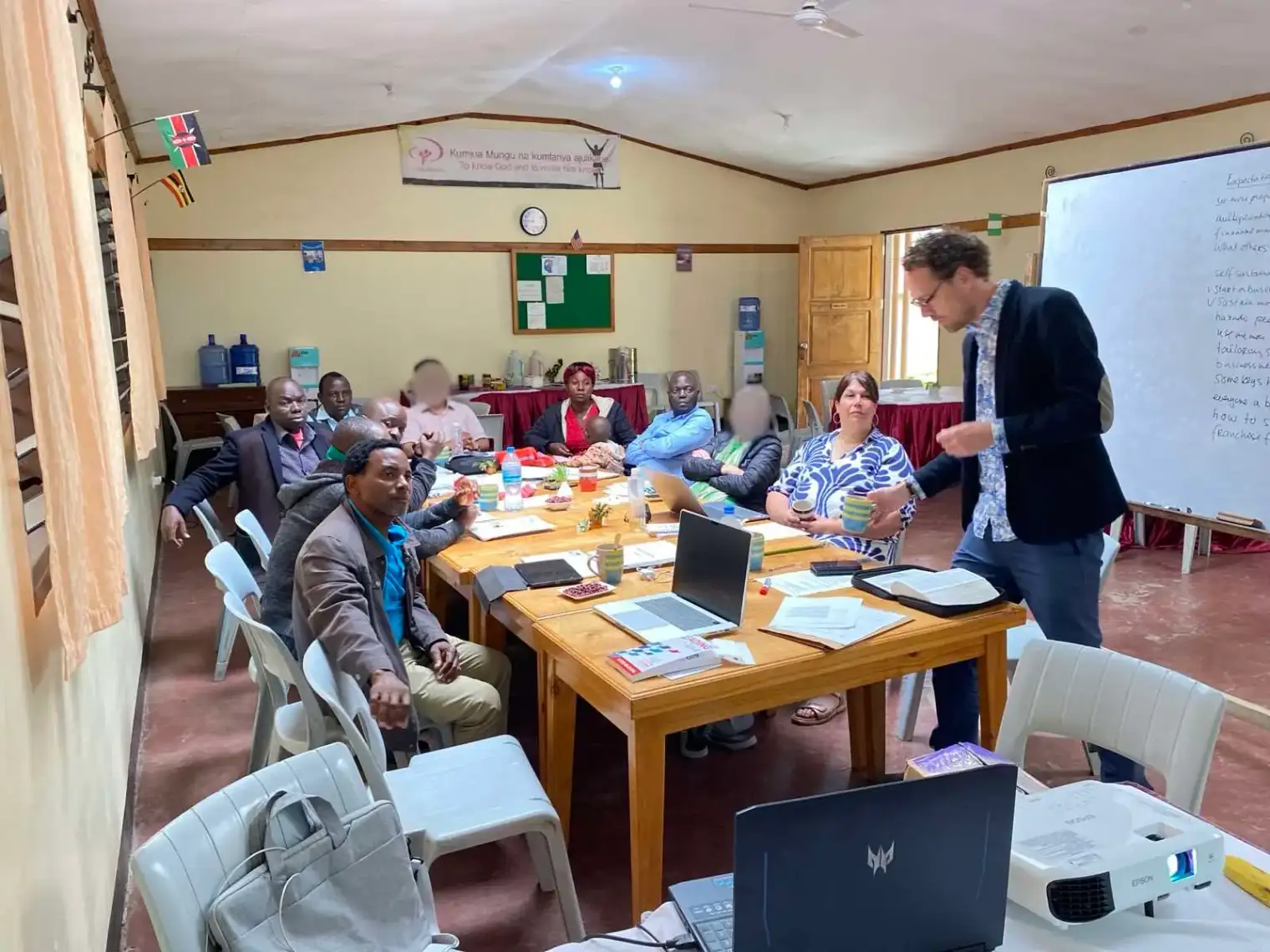
“To Him who is able to do immeasurably more… to Him be the glory in all generations.”
— – Ephesians 3:20-21