How a young Maasai man named Loserian moved from selling belts on foot to running a kingdom business in Tanzania — and why his story is 1000/1000 up close.
Three years ago, on a bad day, Loserian Simon Mollel earned five thousand Tanzanian shillings. About $2. He earned it by walking — region after region, dust road after dust road, with shoes and belts slung over his shoulder. He rented a place to sleep. He depended on others for food. He lost hope easily. His efforts were scattered, and the money never stretched far enough to support him or his family. In his own words, he lived “in bondage.”
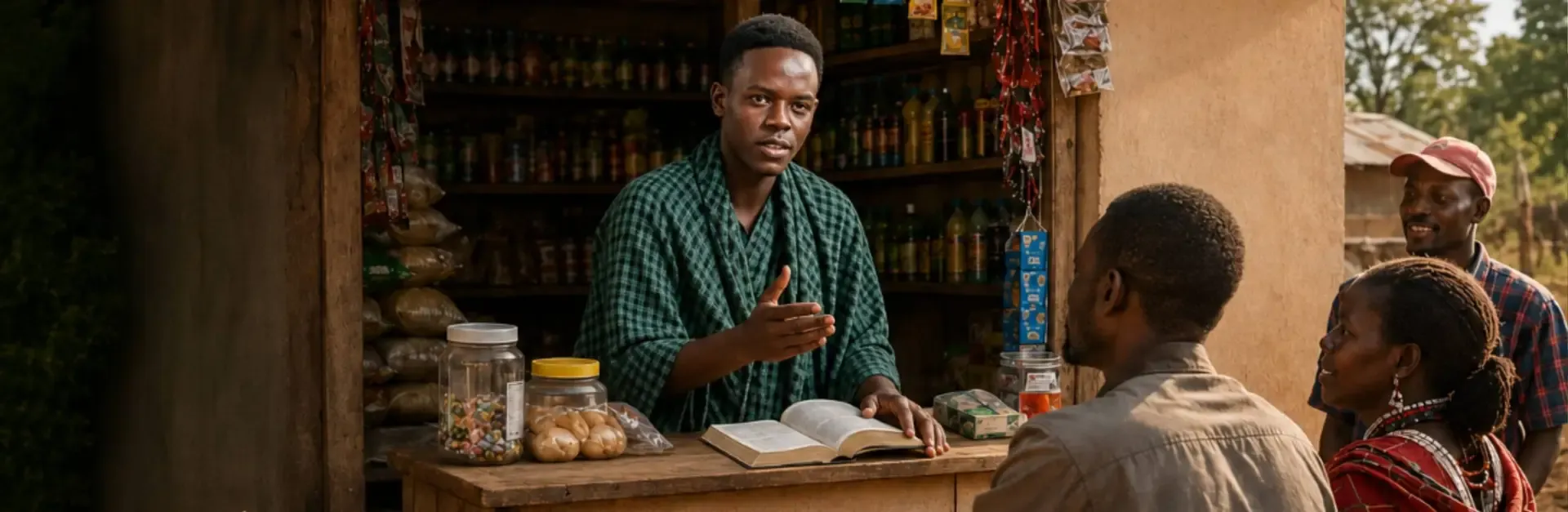
Today, behind a small counter in Naalarami, he earns around 170,000 shillings a day. He stocks sugar, bread, raisins, soda, mandazi, exercise books, pens, nail cutters, coconuts. He serves 25 to 30 customers a day. And on Friday evenings, seventy of his neighbours gather as a church.
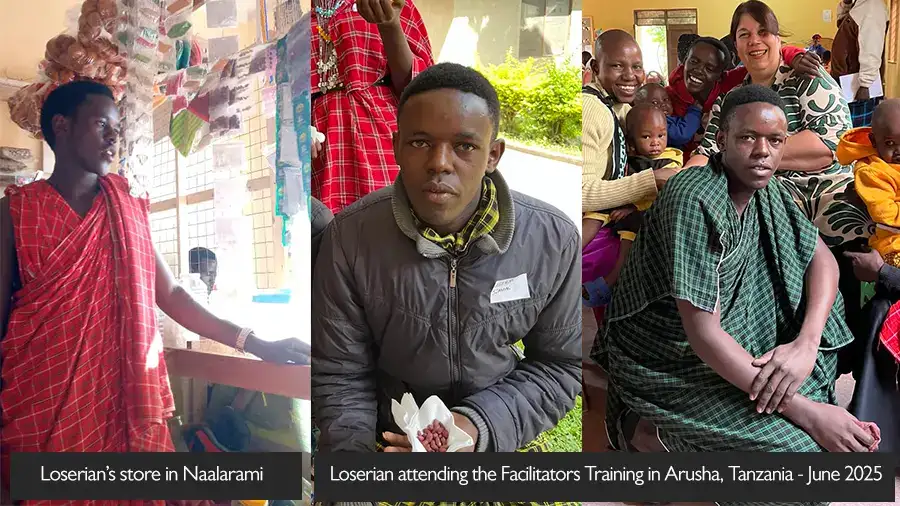
The Road Before the Counter
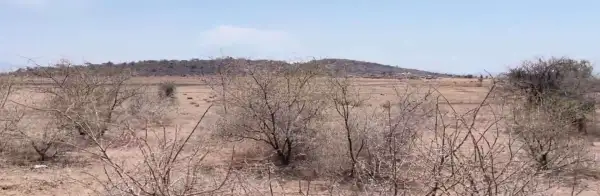
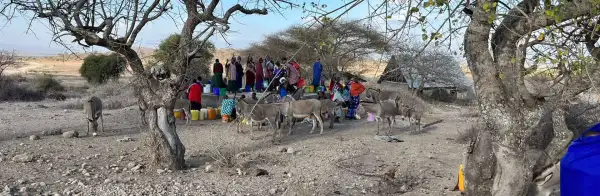
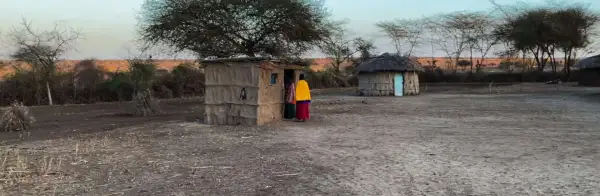
Loserian is twenty-four. He is the sixth of nine children in a Maasai family of eleven. The youngest sibling is fourteen. Loserian was born and grew up in Enhutukoiti village. Naalarami, where the family now lives, is shaped by farming and pastoralism — when the rains come, people plant; in the dry season, the women go to the trees to make charcoal.
Not all the children could be sent to school. For Loserian, finances closed the door. He still cannot read or write well — and at twenty-four, with his shop running, he is now preparing to go to school in Naalarami, as an adult. Back then, with no schooling and no trade, the only thing he could do was walk — region after region, selling what he could carry. What he kept through all of it, though, was a quiet dream: to become a great businessman and a pastoralist.
The Farm Where Everything Changed
In May 2017, he was cultivating maize and beans with his mother, Eliamani, when she told him about Jesus for the first time. “My first reaction was love,” he says. “I wanted to see Him with my own eyes.”
What finally led him to give Jesus his yes was something his mother said: that Jesus could change his life — lift him from a “lower life” to become a person who could support his family, and one day give him eternal life. From that point forward, his family began to act, in his words, “as one unit.”
Two Goats for a Shop
In September 2024, Loserian sold two goats. That was his capital. He found a location, looked at what the community actually needed, and opened a small shop. But before the training, his business efforts were scattered and unproductive. He had sold shoes and belts in various regions but couldn’t make enough to support himself or his family. The lack of direction and strategy made it difficult for him to succeed — the shop was a start, not yet a turning point.
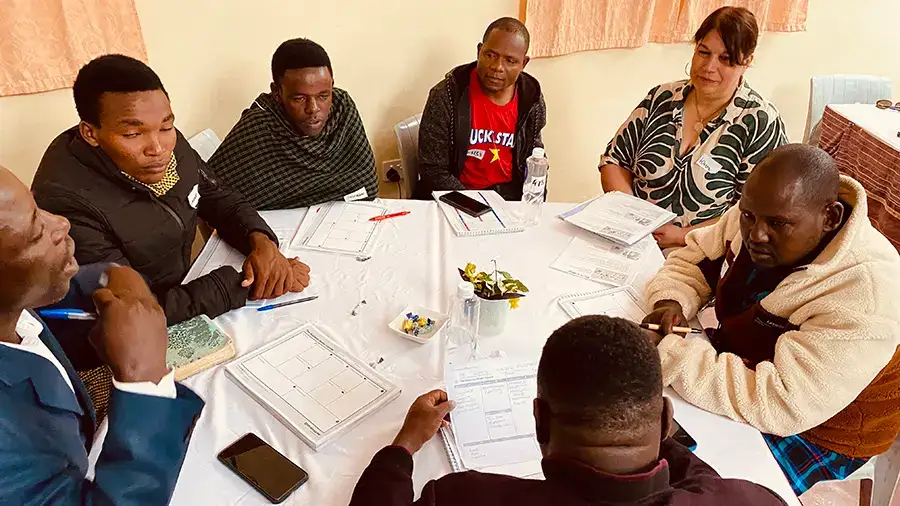
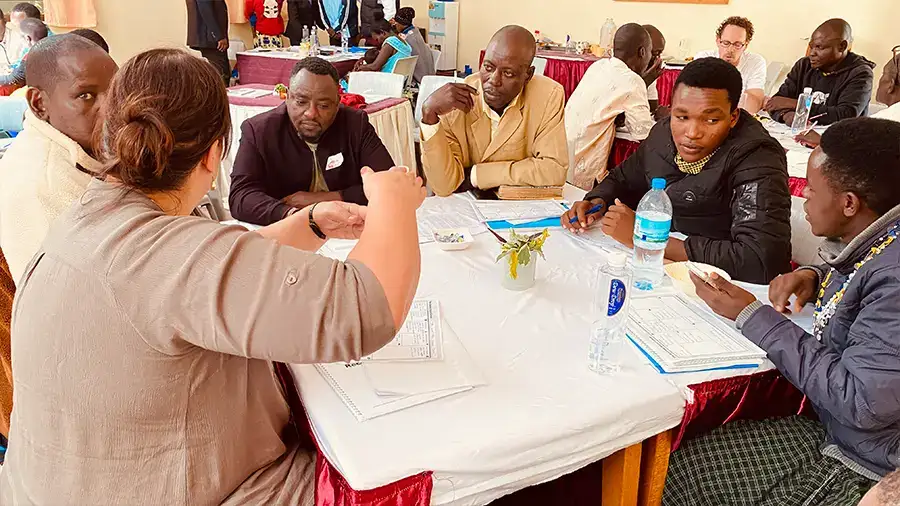
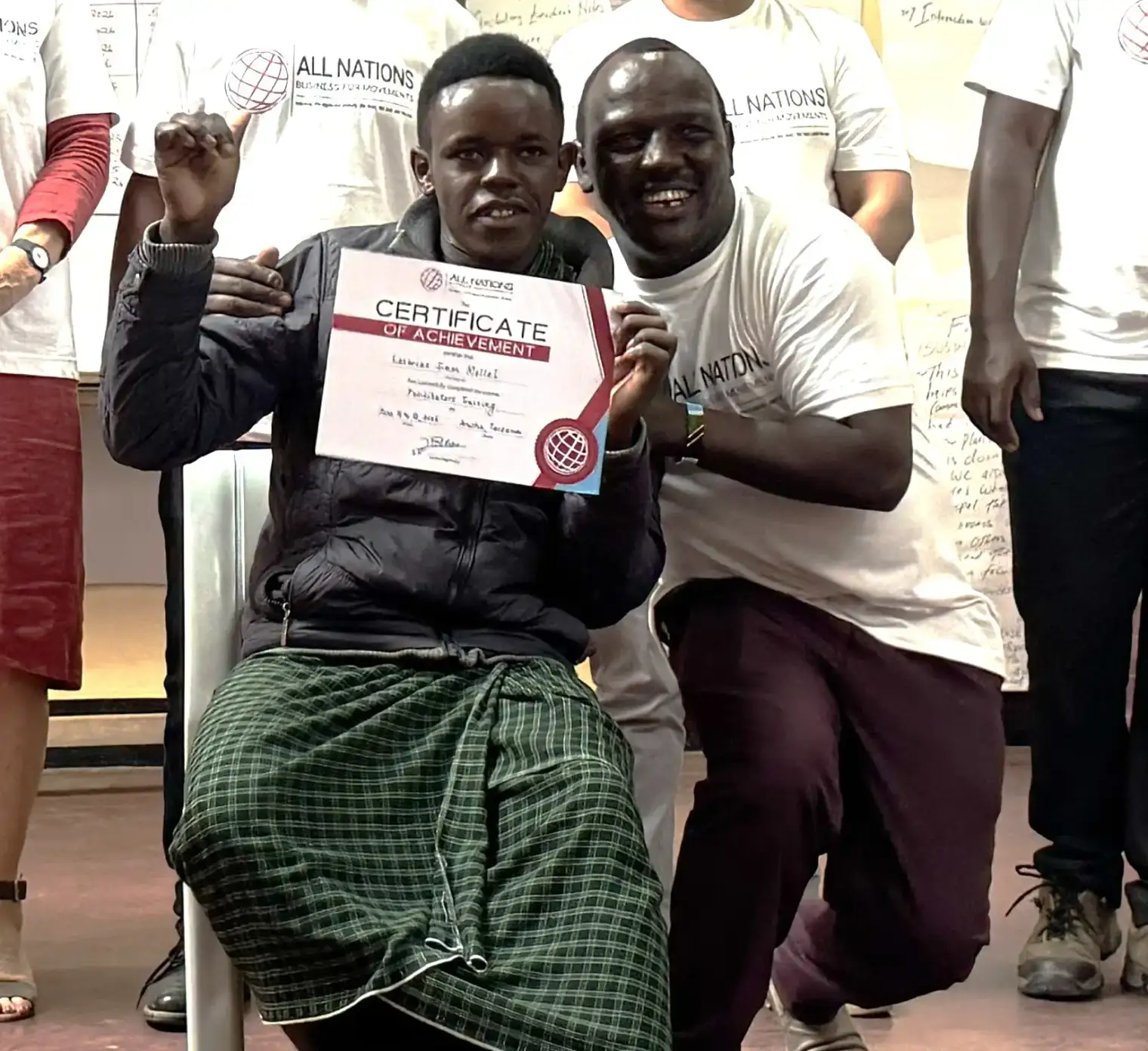
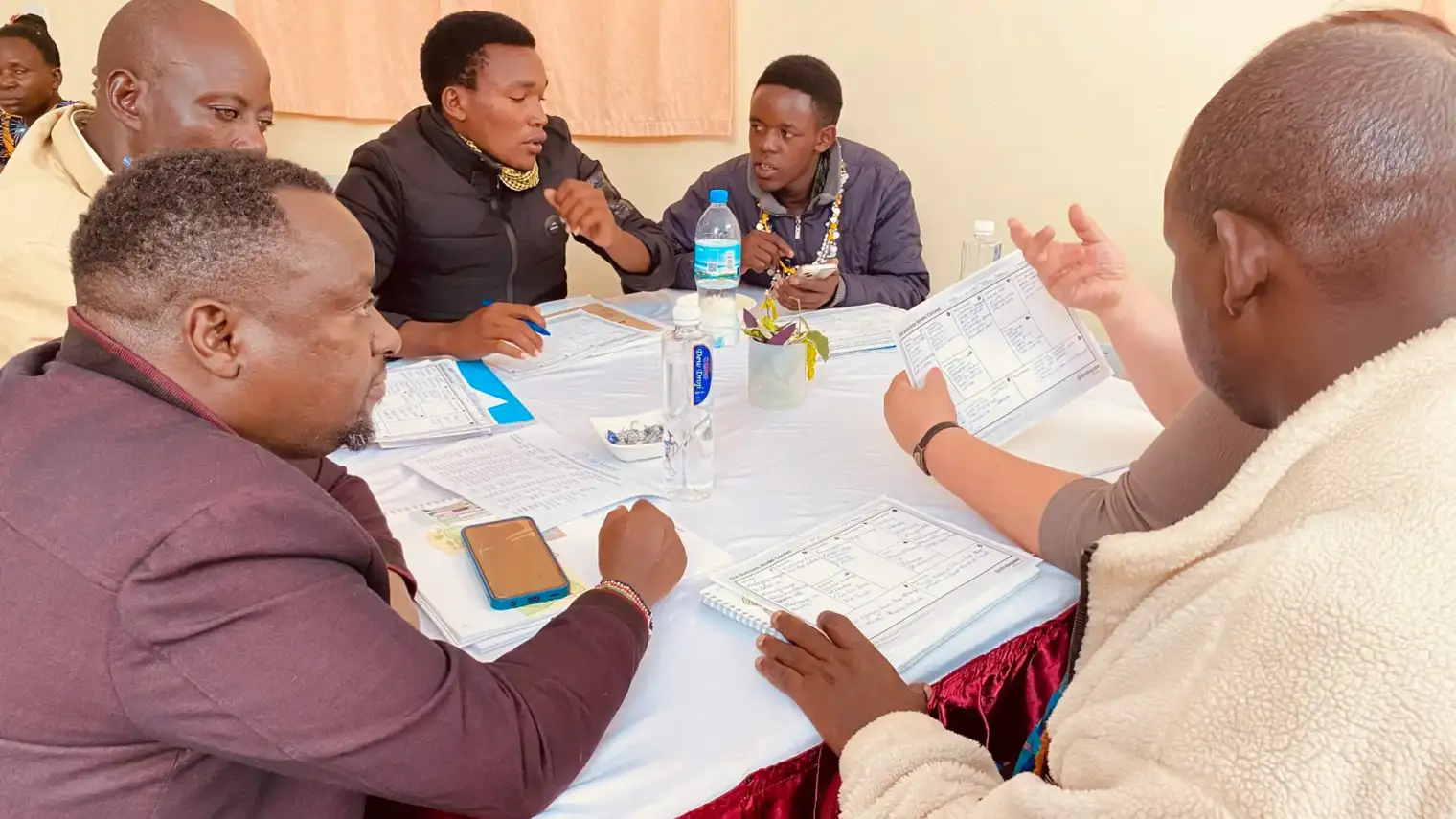
The Brother, the Training, the Click
The turning point came the following year. In June 2025, his older brother Jackson — the eldest of the nine — invited him to the Pioneer Business Planting (PBP) training at Naalarami. Loserian had never heard of a business budget, or a family budget. But what really clicked was a single idea about ownership.
“I used to think that I am the boss,” he says. “But now I have realised that God is the boss of my business, and through the business I can get my salary. The business money is not my money. God is the Owner of all business. That is Kingdom business.”
Ask him what life would look like today without PBP, and he answers in seven words: “I was doing nothing. I was nothing.” Back behind his counter, the change showed. He keeps a book — in his own hand — where he writes down every item he buys and every item he sells. It is a discipline he picked up at the Facilitators Training in Arusha, held after the PBP training, and it is hard-won: reading and writing still do not come easily to him.
But the counter does more than sell. From behind it, Loserian shares Jesus — and two men in particular have come to faith there: Teacher Lemasio, and George Rasta, who now runs a small business of his own. Three of Loserian’s friends — Loonjuchula Laizer, Joji Rasta, and Mesiaki Mamasita — have started small businesses after watching him. His counsel to all of them is a single line: do not despise small beginnings.
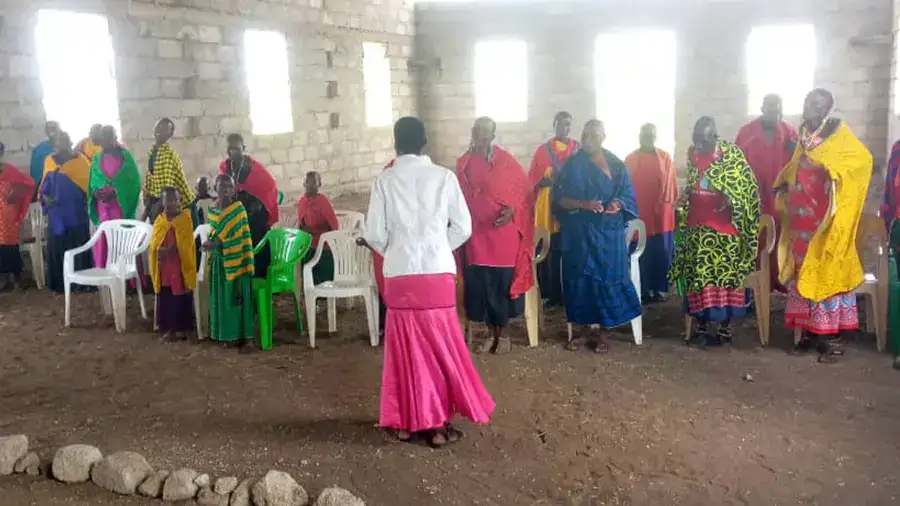
Church gathering every Friday in Naalarami
Seventy on Friday, and Roads Still Ahead
The church in Naalarami meets every Friday. There are seventy members — about ninety-seven percent Maasai, with others from the Lengiloriti community. One of those seventy first walked into Loserian’s shop, heard the gospel across the counter, and stayed for the Bible study.
Three months ago, the wider Business for Movements team planted a church among the Hadzabe — a community living in the bush, surviving on what the land and others provide. From 10 to 17 June, the team will travel to the Mangachi tribe with the gospel, and with PBP to follow. Loserian’s own five-year dream has two shapes. Spiritually: a youth group sent out to evangelise and disciple. In business: a cattle business that grows, in time, into a supermarket. “The young boy who didn’t go to school is now doing business,” he says. “Jesus can guide a person in their business.”
What Loserian’s Story Teaches the Rest of Us
- Two goats might be enough. You don’t need a perfect capital plan to start. You need the resources you have, named and surrendered. Loserian’s whole shop began with what he could sell from his own herd.
- The business is the boss; you’re the steward. This single reframe changed how Loserian handles money. Your business is a tool in God’s hand, and you draw your wages from it.
- Plant disciples behind your counter. Loserian doesn’t separate “work hours” from “ministry hours.” The same counter that sells sugar shares the gospel. Where is your counter, and who’s standing on the other side?
- Sometimes the most strategic move is your sibling. Jackson didn’t recruit a stranger. He brought his own brother. Family ministry is not a lesser ministry.
- You don’t need to be polished to plant the kingdom. Loserian still cannot read or write easily. He has not finished school. He is preparing to go back — but he did not wait for that before starting a business, leading people to Jesus, or coaching three friends his age into their own shops. The qualifications you think you need may not be the qualifications the kingdom requires.
Why This Story Matters Now
By the end of 2028, Business for Movements is praying for one thousand churches and one thousand businesses planted across the nations. Loserian is one face of that — one of the thousand on both sides — because his story is church and business braided into one cord. He started a shop, and a shop started disciples; disciples gathered, and a church grew; the church now sends people out to start more shops and find more disciples.
That is the heartbeat of 1000/1000 vision: not businesses propped up by ministry, not ministry funded by businesses, but both pulling in the same direction because both belong to the same Lord. If Loserian, who could not afford school, can do this in Naalarami — what might God do through you, where you are?
Your Next Step
Pray for the Mangachi outreach between 10 and 17 June. Pray for Loserian’s transport, and the cattle prices that will one day put a guta in his hands. Then ask yourself the harder question: which two goats are sitting in your life right now, waiting to be turned into a shop, a church, or a yes?
The young man who never sat in a classroom now stands behind a counter — and seventy of his neighbours gather every Friday to worship. Imagine what’s possible if a thousand of us said the same kind of yes.