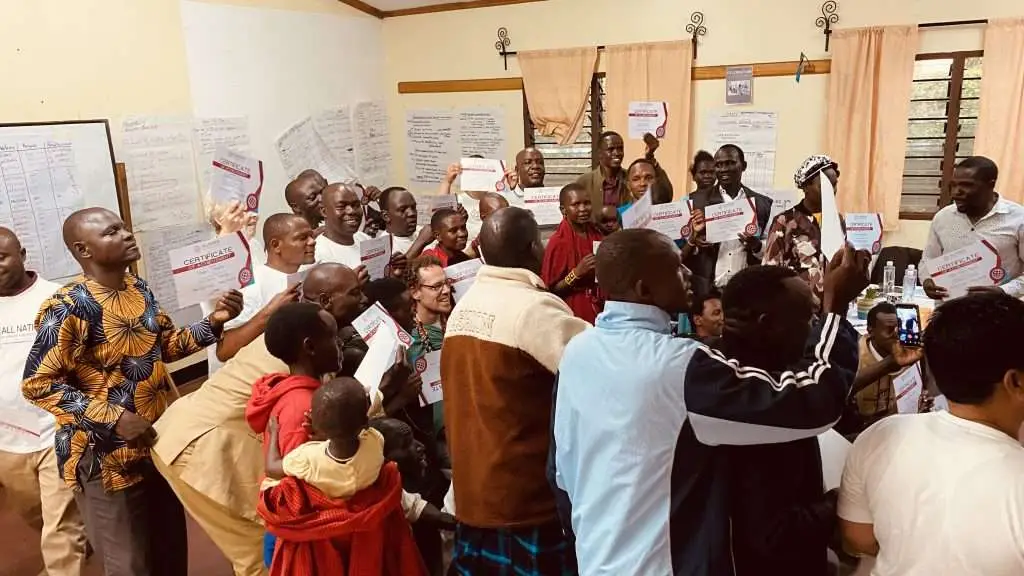
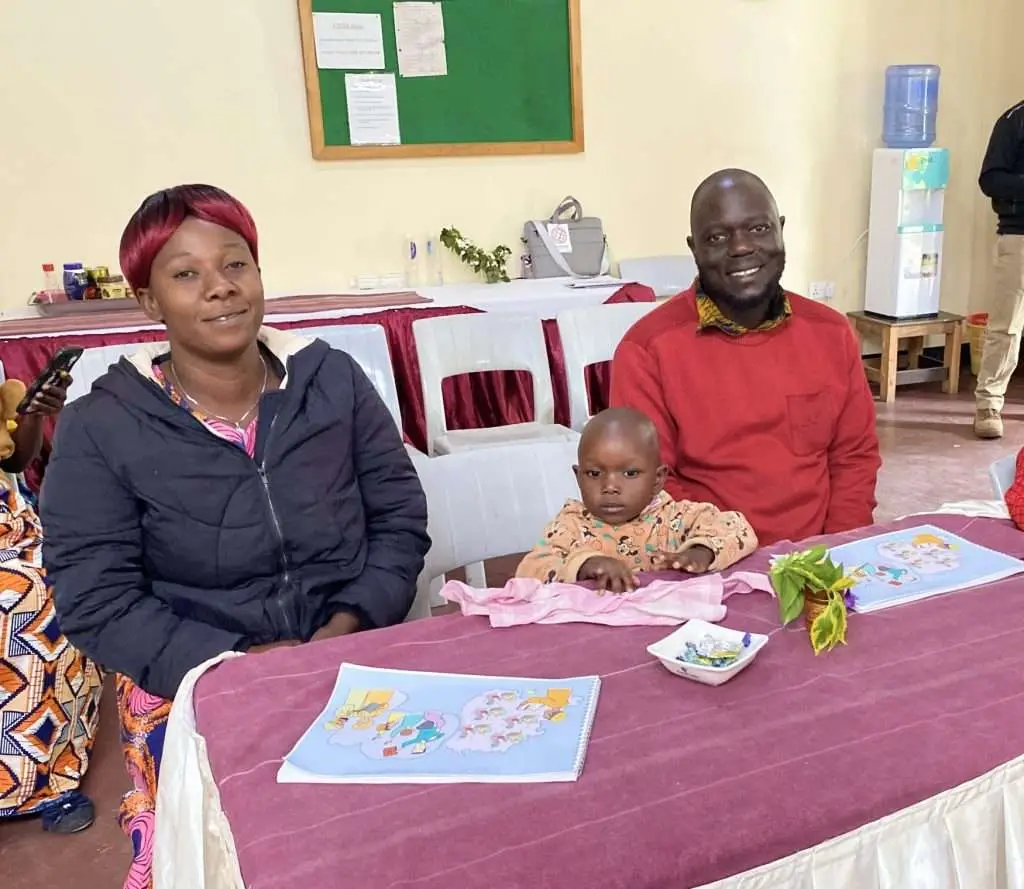
“After this training, my life has changed. I’ve learned new things—not just about business, but about responsibility. I now say, ‘I will.’ Not ‘we will,’ not ‘someone will,’ but I will do what God wants me to do.”

“I learned that we must always begin with prayer and continue with prayer. I learned how to teach others, ask questions, listen well, and make sure there is follow-up. Training is not the end—we also must be coached, mentored, and multiply others.”

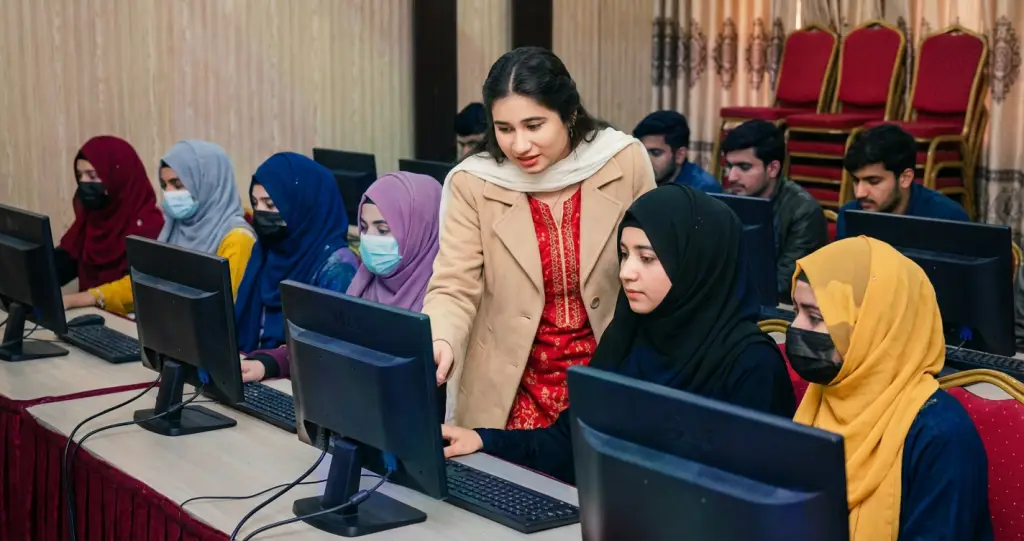
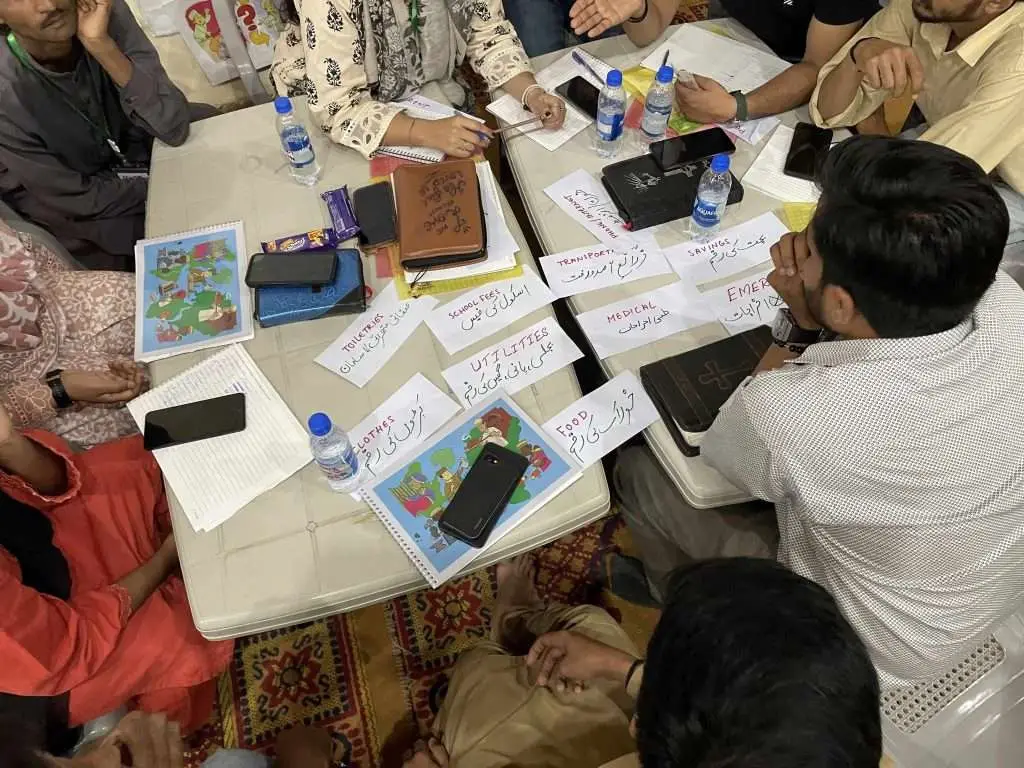
Before Pioneer Business Planting we did business without Kingdom principles—we used our capital for family needs and didn’t see real profit. Now, through the Pioneer Business Planting training, we’ve learned budgeting, cash flow, and how to run sustainable Kingdom businesses. Many of us have started businesses and are ready to multiply this impact.
This August, we’ll train 50 people in Lenglorite, and in April 2026, 60 more in Angaurika. From these, we aim to raise up 10 new facilitators.

Joining the Facilitators Training through Pioneer Business Training has been a transformative journey. I’ve grown in confidence and learned how to lead with purpose, facilitate meaningful discussions, and create a space where people feel safe to learn and grow. These skills have helped me better understand my calling as a servant leader—someone who walks alongside others to help them discover their God-given potential through business. Looking ahead, I’m excited to facilitate more trainings in my community, mentor upcoming entrepreneurs, and encourage others to build businesses with a Kingdom mindset. What I’ve gained from this experience isn’t just for the classroom—it’s for everyday life. I’m committed to leading by example, listening well, and inspiring others to do the same.

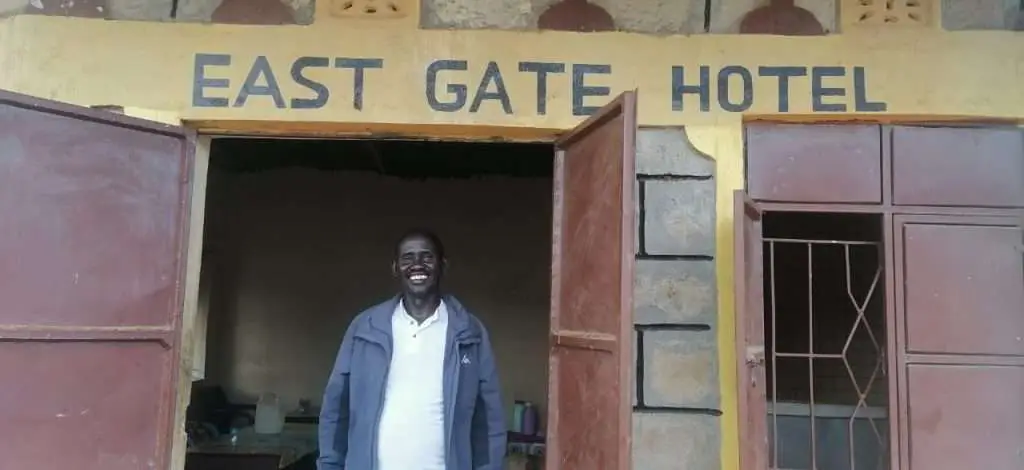
"My name is Nelson John Sakale, from Samburu County in northern Kenya. We are pastoral people, mainly involved in livestock farming. One thing that stood out to me is how powerful business can be as a tool. I didn’t realize before that business could be used not just for livelihood, but also as a means of evangelism and discipleship. Now I see that you can sustain your life and your family while still fulfilling the mission of reaching the unreached. My plan is to pass this on—to help others understand how business can support missions. I want to train as many people as I can so that we can reach more people effectively and sustainably."
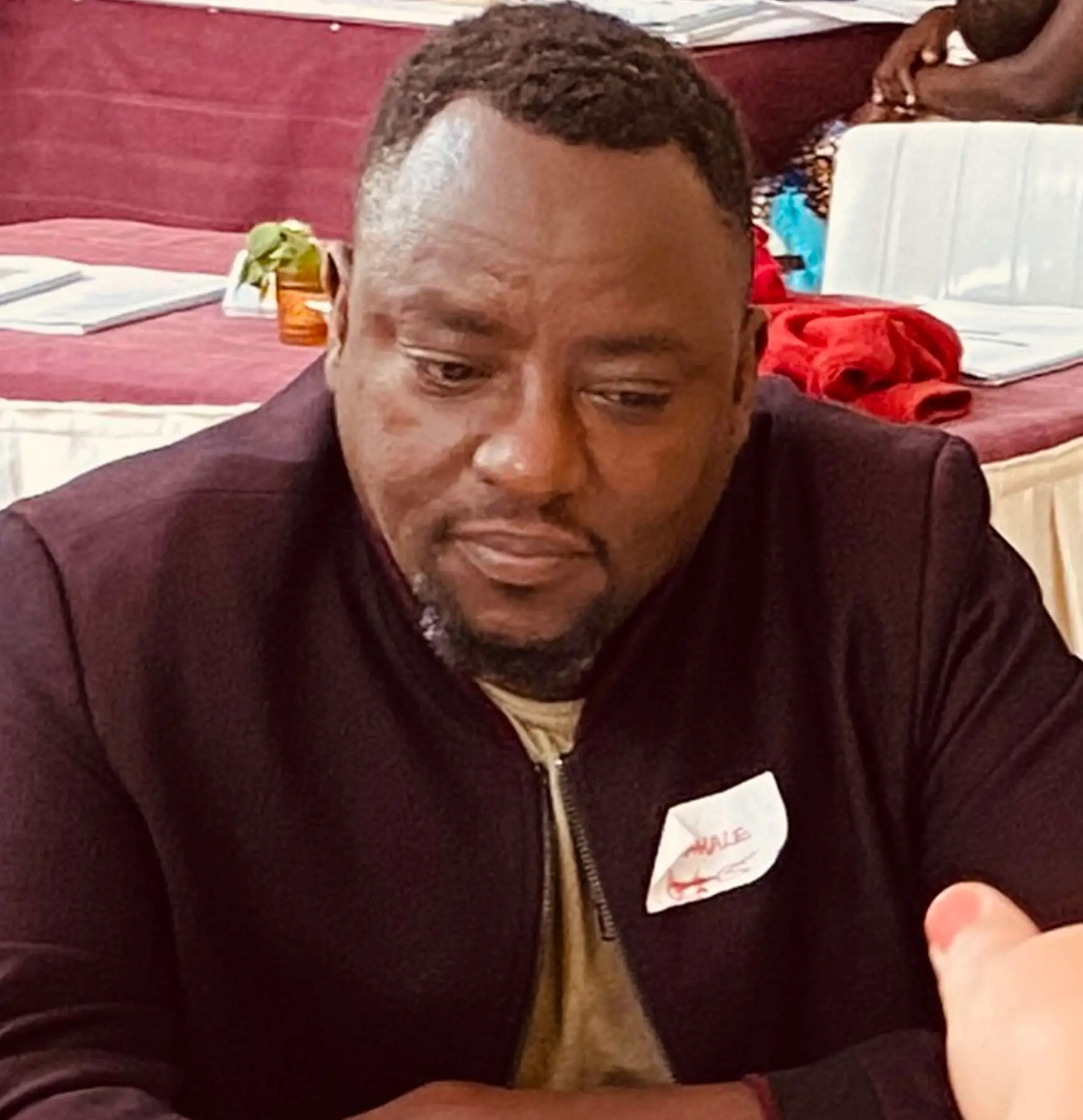
My name is Stephen Odwori from Uganda, and I’m so grateful for what I’ve learned through the Pioneer Business Training.
I’ve gained practical knowledge on how to start a business, develop a strong business model, and choose the right location. This training has given me the courage and confidence to launch a meaningful business—not just for profit, but as a tool to reach the unreached, especially in Muslim communities.
My desire is to build a business that helps vulnerable people, uplifts communities, and opens doors for sharing the Gospel.

I’m a church planter and the Southern Africa leader for Business for Movements.
This week in Tanzania, we trained leaders from Uganda, Kenya, and Maasai communities on how to use business for sustainability and church planting. The energy was high—people were eager to learn and ready to change. One big breakthrough was helping the Maasai see their livestock not just as status symbols, but as resources. Many own cows but still live in poverty. Now they see they can sell some to pay for school, start businesses, or join savings groups. It’s been powerful to see mindsets shift—from survival to stewardship.”