“Couldn’t All Nations—the people from the West—help us?”
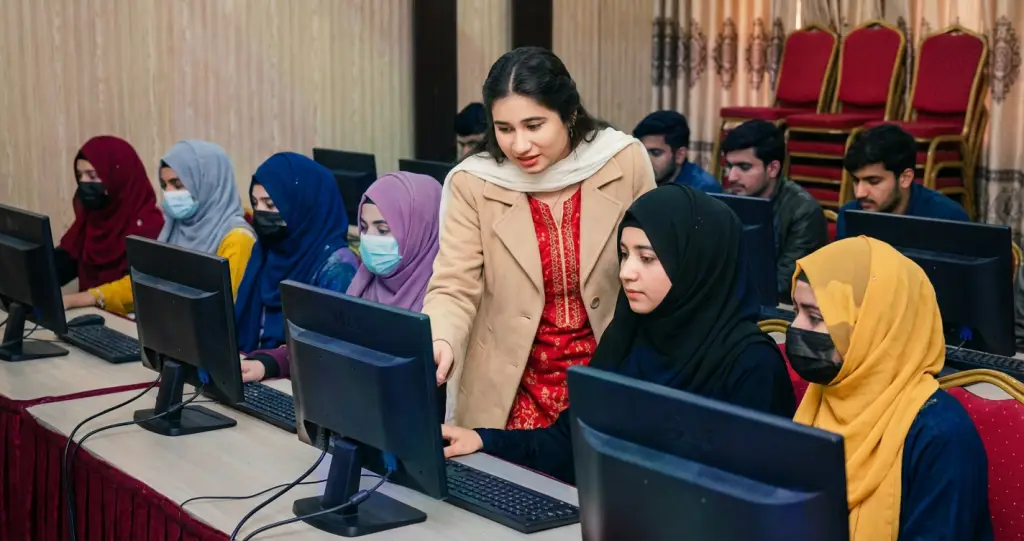
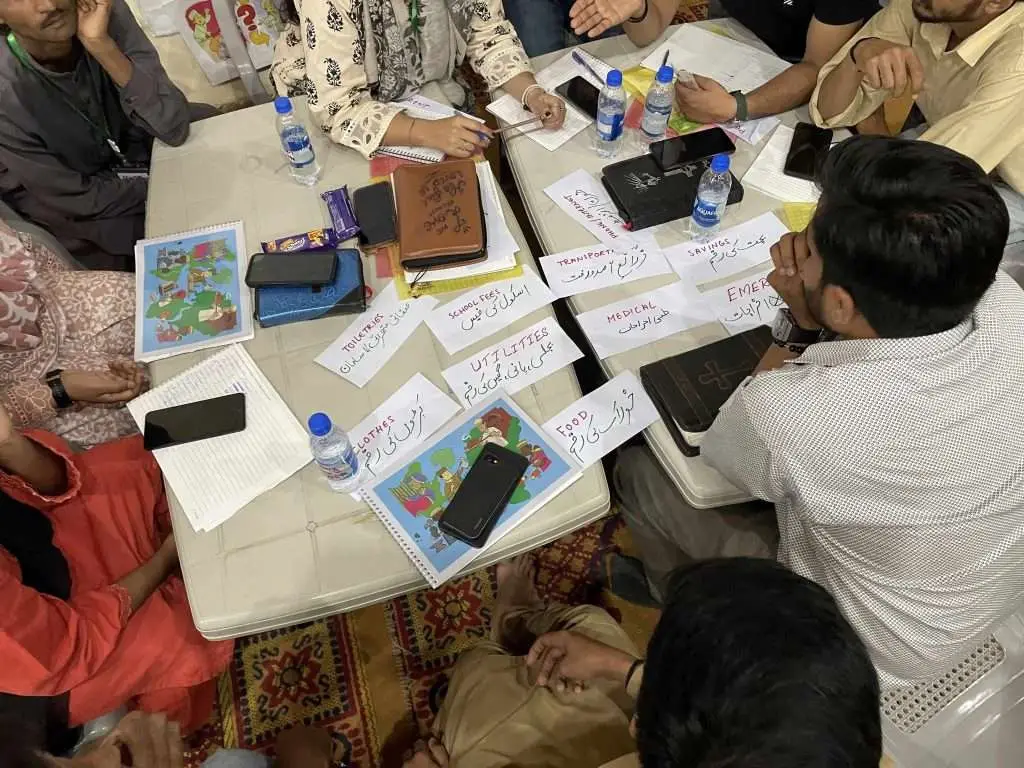
It was day four of the Pioneer Business Planting training in Southfield, southern Pakistan. The room was full of small-scale farmers and aspiring entrepreneurs — people who had grown up with little, and who had learned to look outward for help. But what happened next surprised everyone in the room.
Emmanuel, the National Leader of BFM, explained that All Nations had already invested significantly — covering accommodation, meals, materials, and travel for every participant. Moments later, someone stood up from the back and donated 1,000 rupees. Then another. And another. By the end of the session, the group had collectively raised 47,000 rupees — enough to seed a microcredit fund called FaithFund. The question had shifted from “What do we lack?” to “What can we give?”
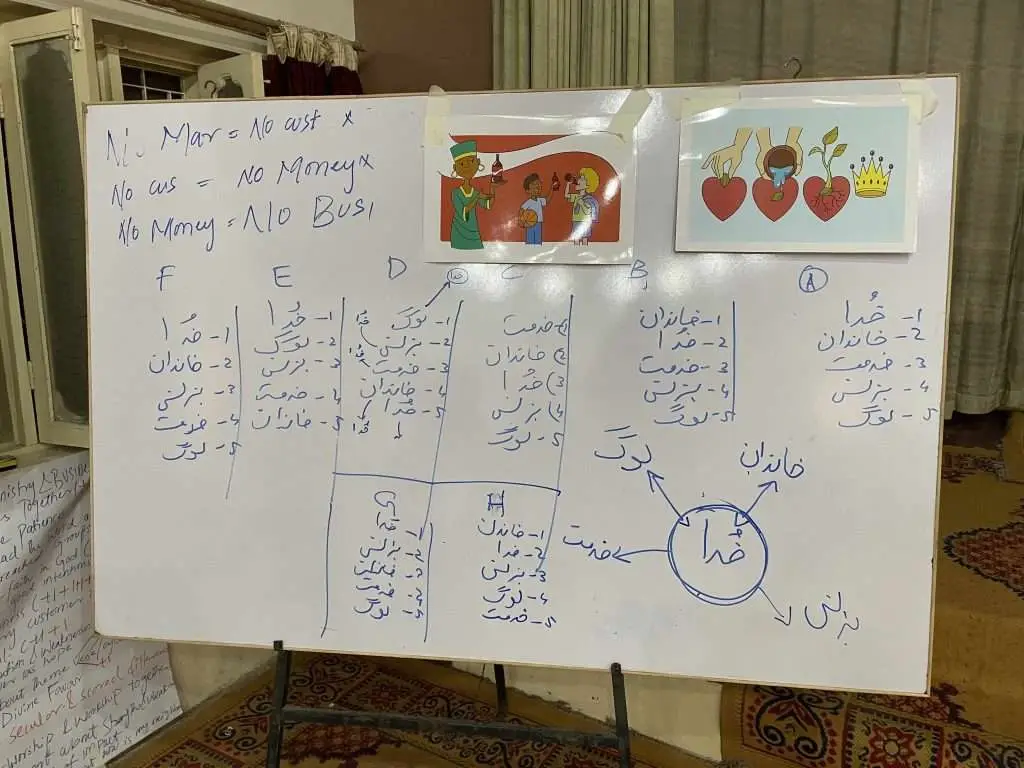
That moment captures what this training is really about: not just building businesses, but transforming mindsets.
Understanding the Context: Life in Rural Pakistan
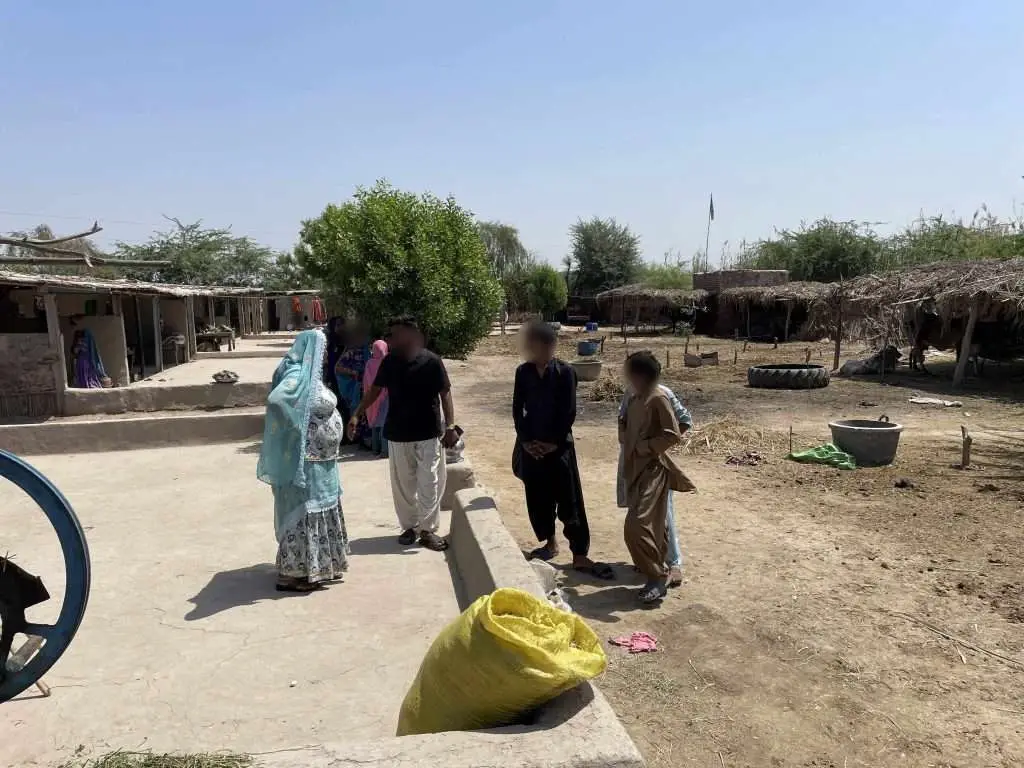
The training took place in Southfield, a predominantly rural area where many residents are small-scale farmers. These farmers, often from Hindu minority backgrounds, face systemic discrimination and economic instability. Without land ownership, they lease farmland under precarious conditions, leaving them vulnerable to eviction. Jobs are seasonal, incomes are unreliable, and access to financial services like loans is nearly nonexistent.
This environment fosters a “poverty mindset,” where survival takes precedence over growth. The training aimed to challenge this mindset by encouraging participants to focus on their resources and potential rather than their limitations.
Real-Life Impact: Stories of Transformation
The training’s impact is best illustrated through the stories of its participants:
- Shahzad: Initially, Shahzad doubted his ability to start a business due to a lack of resources and confidence. However, the training helped him recognize the potential within himself and his ideas. By the third day, he had a clear plan to launch a milk business, starting small and growing it step by step.
- Junaid: Junaid had a business idea but hesitated to act on it, unsure if it aligned with God’s will. The training gave him the confidence to pursue his vision, emphasizing the importance of planting seeds for growth. He now plans to launch a unique, multi-faceted business that he believes will benefit his community.
- Farhan: After working as an employee for 33 years, Farhan decided to start his own clothing business. Using his savings, he invested in high-demand light-variety clothing and began selling it locally. Despite health challenges, he remains determined to grow his business and create a better future for himself and his family.
Actionable Takeaways: Lessons for Life and Business
- Focus on What You Have: Instead of dwelling on limitations, identify your strengths and resources.
- Start Small, Think Big: Begin with what’s feasible and gradually expand.
Invest in Knowledge: Training and education can unlock potential you didn’t know you had. - Give Back: Generosity creates a ripple effect, benefiting both the giver and the community.
- Trust the Process: Growth takes time, but with persistence and faith, progress is inevitable.
A Journey of Hope and Empowerment
The Pioneer Business Planting training in Pakistan is more than a skills program—it’s a catalyst for change. By empowering individuals to see beyond their circumstances, it’s fostering resilience, self-reliance, and community spirit. The stories of Shahzad, Junaid, and Farhan remind us that transformation begins with a shift in mindset and a willingness to act.
Join the Movement