One caterer’s costly courage, and five ordinary trades turned extraordinary, reveal what happens when disciples become producers — and producers become planters.
In the first blog post, we told you about Rahim — the man who once held a knife to a stranger’s throat and instead met Jesus in a dream — and about Amira, whose surrendered beauty parlor grew into two thriving storefronts, plus the twenty-one leaders who just completed the Pioneer Business Planting Facilitators Training. Haven’t read it yet? Start with the first blog post, “When a Beauty Parlor Knelt Down, a Community in Bangladesh Started to Change.”
Not every story moves in a straight line toward blessing.
The Cost — and Courage — of Following
In the northwest, a woman we’ll call Selina built a catering business that now fills orders from a growing online community of believers. Before that, she worked at an NGO, where she found the courage to explain to a colleague of another faith the difference between what they each believed.
That courage came with a price. Her family — more than fifty relatives — responded with rejection and violence. Four siblings came to Christ; their parents did not live to see it. Selina now lives with her sister, a fellow believer, and still describes herself as lonely. We share her story not to sensationalize her struggle, but because her business — and the community it feeds — is one of the few places she’s found to belong. That’s what a marketplace built on the gospel can offer: not just income, but family.
Selina’s story hasn’t stayed there, either. She has since gone on to become a trained Facilitator — turning her own costly act of courage into something she now helps other entrepreneurs count the cost of, and choose anyway.
One Business, Many Ripples
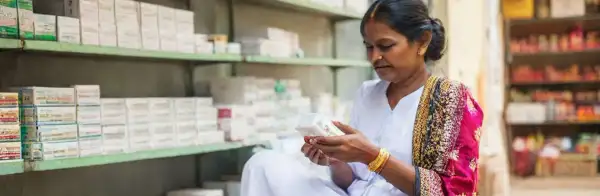
Multiply Amira and Selina’s stories by dozens, and you start to see the shape of a movement. Daniel repairs dental machines in a coastal city, pairing a technical skill with a heart for his neighbors of other faiths. Farid sells fruit and has planted six house churches. Priya makes organic soap. Robi once came to our team looking for a handout — today he runs a restaurant and proudly invites our team to his home. Anwar runs a small t-shirt shop; when our team visited, they prayed over his mother’s healing and for an employee suffering from low blood pressure. Ordinary transactions becoming doorways for the extraordinary.
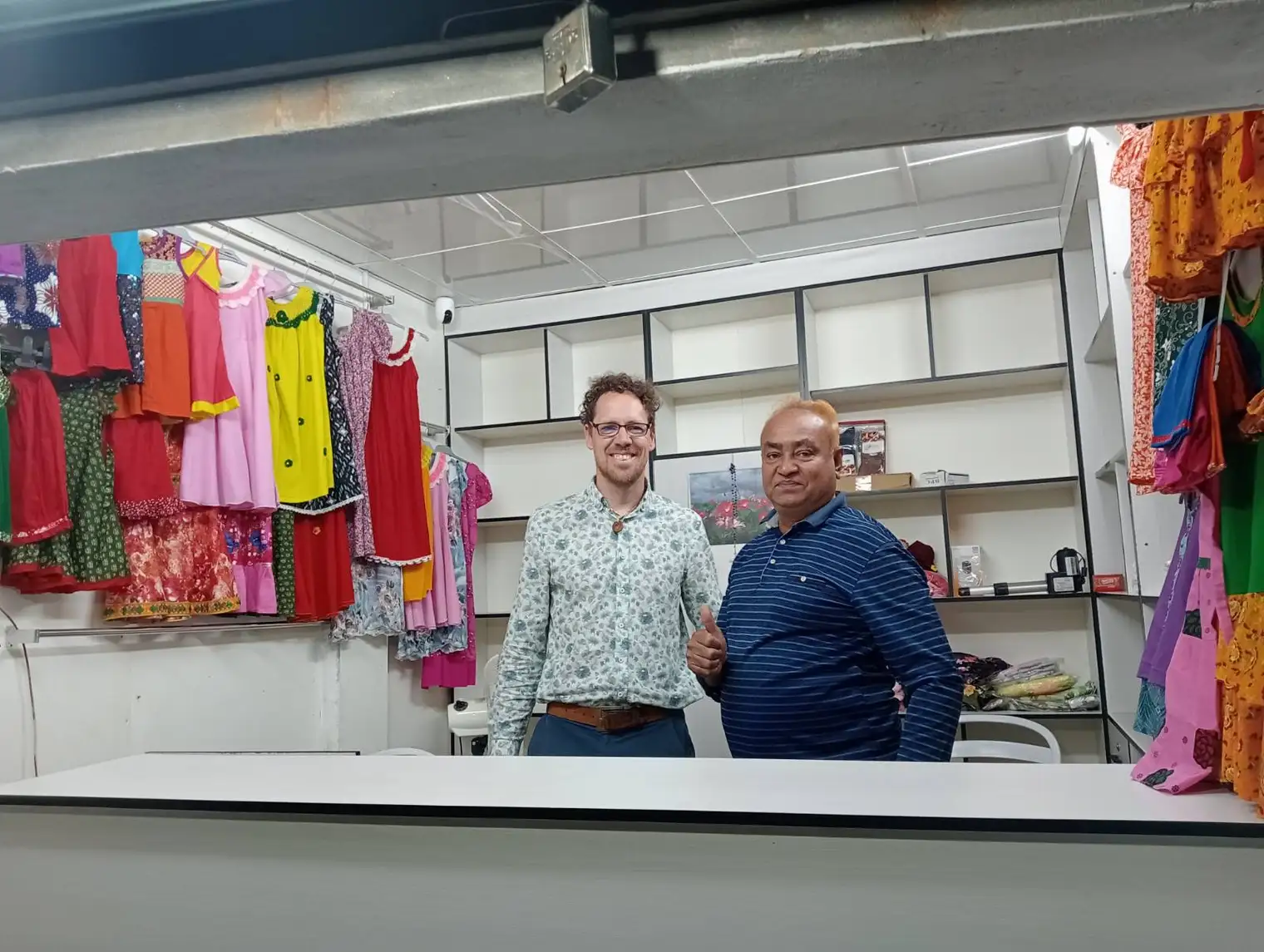
The numbers behind these stories are just as telling: 26 businesses launched through our network, 24 of them still running and repaying their loans two years later. That kind of durability doesn’t happen by accident — it happens because of consistent, on-the-ground coaching.
Actionable Takeaways
- Courage costs something — pay it anyway. Selina’s boldness came with real loss. Faithfulness in the marketplace will sometimes be costly before it’s fruitful.
- Look for the skill God already gave you. Daniel’s technical mind, Farid’s fruit stand, Anwar’s t-shirt shop — none of these are “ministry jobs.” They’re ordinary trades, surrendered, doing extraordinary work.
- Business relationships are ministry relationships. A dental repair shop, a restaurant, a tailoring counter — every transaction is a chance to notice a need, offer a prayer, or simply stay present with someone who’s struggling.
The Thread That Ties It Together
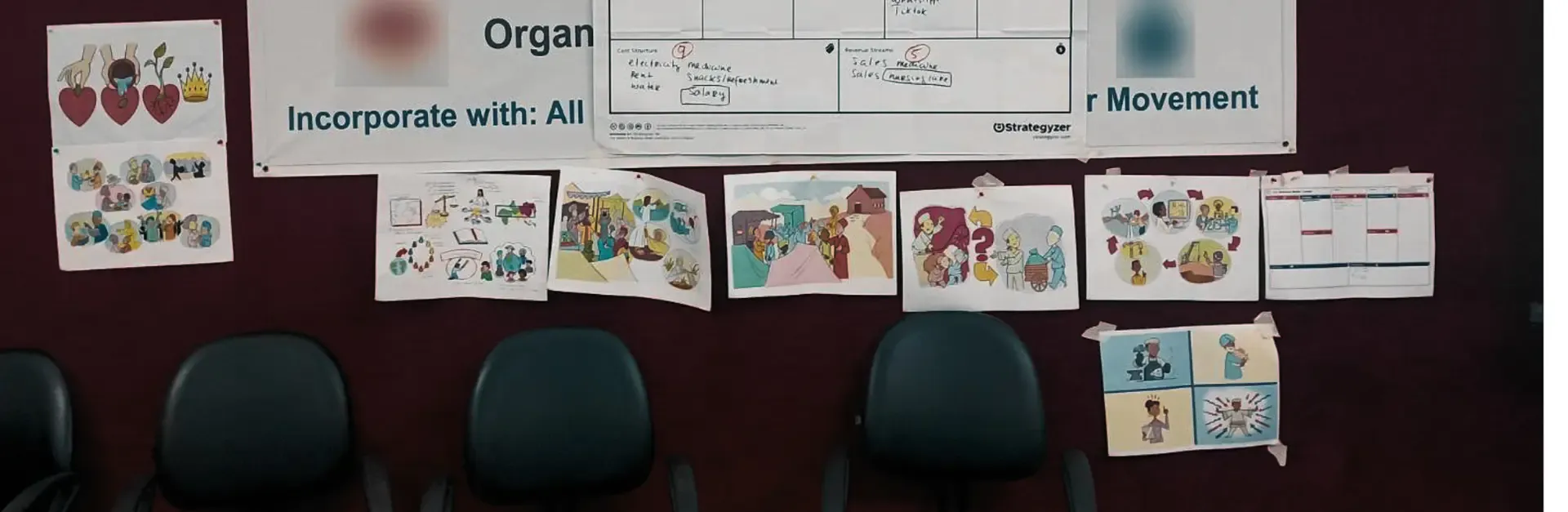
None of these stories stands alone. Rahim’s dairy farm feeds his house churches. Amira’s beauty parlor funds her family and her testimony. Selina’s catering orders come from the very community her courage helped create. And this May, twenty-one more leaders sat in a training room learning to do the same thing on purpose.
This is the pattern Business for Movements exists to multiply: disciples become producers, producers become funders, funders become planters, and planters make more disciples.
We’re standing on a road toward planting 1,000 churches and 1,000 businesses by the end of 2028. Twenty-six businesses, a growing cluster of house churches, and a fresh class of six developing facilitators in Bangladesh are one thread in that tapestry — one country, one training week, one beauty parlor that decided to kneel. Multiply that across every nation where our partners are working, and you start to see what the whole picture is meant to look like.
Your Next Step
You don’t have to travel to Bangladesh to be part of this.
Somewhere in Bangladesh right now, another business owner is deciding whether to keep their shop to themselves or hand it over to God. What they decide next could plant a church nobody’s expecting yet.
- Pray — for Selina’s loneliness to be met with real community.
- Partner — training centers like this one run on printed manuals, participant workbooks, and travel and lodging support for leaders who can’t afford to get there on their own; several invited participants missed this training for exactly that reason. Give toward the next round of training, explore ongoing partnership, or consider one-time giving.
- Reply to this newsletter and tell us which story moved you — we’d love to hear it.
New here? Go back to the first blog post, “When a Beauty Parlor Knelt Down, a Community in Bangladesh Started to Change,” to meet Rahim and Amira, and see the training that’s raising up more stories like these.